# The Hidden Edo-Era Bathhouse That Embodies Tokyo
Tokyo's sento bathhouses preserve centuries of Japanese bathing culture in spaces that feel frozen in time. These public baths, dating back to the Edo period, offer visitors an intimate window into how locals have socialized and relaxed for generations.
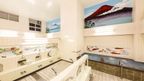
The sento experience strips away pretense literally and figuratively. Travelers remove shoes, then clothes, entering gender-separated bathing areas where strangers share steaming communal pools. This ritual reflects core Japanese values around community, cleanliness, and respect. Many older bathhouses feature traditional tilework, wooden fixtures, and hand-painted murals depicting Mount Fuji or seasonal scenes. The water temperature typically reaches 104 to 107 degrees Fahrenheit, hotter than most Western hot tubs.
Tokyo still operates dozens of sento, though their numbers have declined from over 2,700 in the 1960s. Gentrification and modern home bathrooms reduced demand, but dedicated advocates work to preserve remaining locations. Admission costs roughly 500 yen, or about $3.50 USD, making sento one of Tokyo's cheapest cultural experiences.
First-timers should observe posted etiquette. Bathers wash thoroughly at individual shower stations before entering pools. Tattoos often face restrictions, so check ahead. Towel rental adds minimal cost, and many bathhouses sell light snacks and drinks in adjoining areas where customers socialize post-bath.
Finding authentic sento requires research. The Bathhouse Cultural Association maintains lists of legitimate operations. Tourist-friendly options exist in neighborhoods like Asakusa and Shinjuku, but locals recommend venturing to residential areas like Taito or Chuo wards for genuine neighborhood vibes.
This experience defines Tokyo travel beyond temples and neon signs. Sitting shoulder-