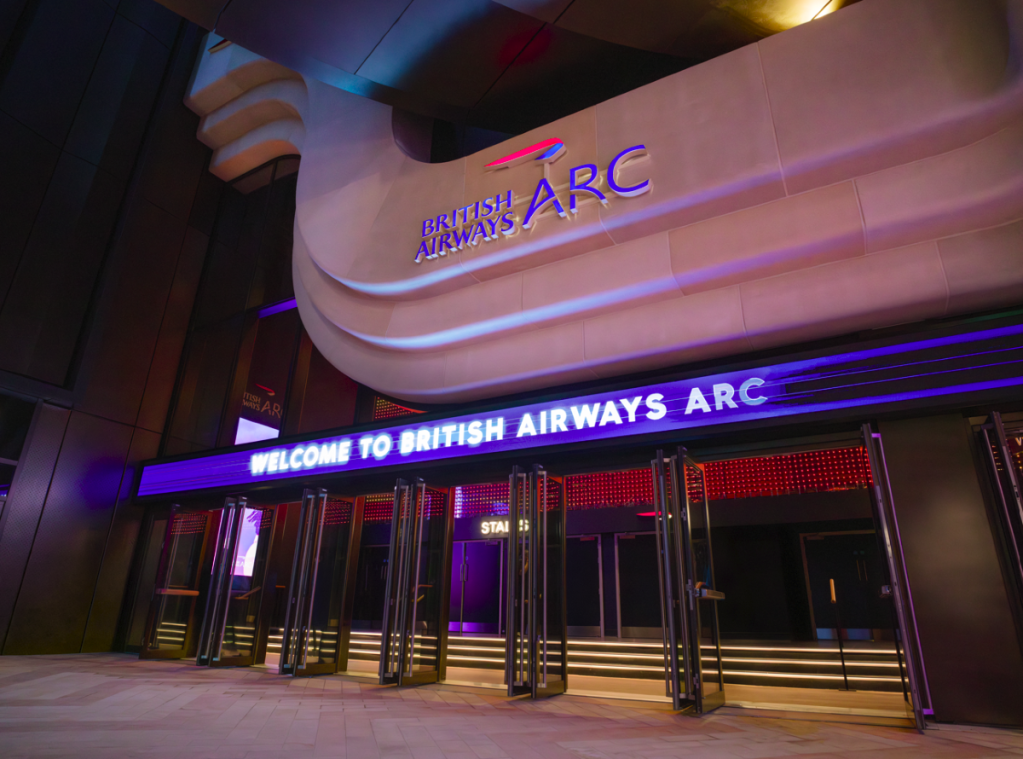
Airlines are treating theaters and arenas as year-round marketing playgrounds to court premium passengers. Rather than traditional advertising, carriers now embed themselves directly into live entertainment venues, sponsoring shows, concerts, and sporting events to build brand loyalty among high-value customers.
This strategy reflects a broader shift in how airlines pursue affluent travelers. Instead of competing solely on price or frequent flyer points, airlines invest in lifestyle experiences that align with their premium cabin passengers. Venues become extensions of brand identity. A passenger attending a theater production sponsored by Delta, United, or American Airlines encounters the brand in a context where they're relaxed and entertained, not just checking email at 35,000 feet.
The approach works particularly well in major metropolitan markets where premium customers concentrate. Airlines can reach business travelers, wealthy leisure flyers, and elite frequent flyer members in high-concentration environments. The sponsorships typically include branded seating, exclusive lounges, or upgraded amenities for loyalty members.
However, the return on investment remains murky. Airlines track brand awareness metrics easily enough. Whether a concert sponsorship at Madison Square Garden actually drives ticket bookings on the carrier's transatlantic flights proves harder to quantify. The connection between entertainment brand association and airline revenue isn't linear.
Some carriers experiment with direct incentives tied to sponsorships. A sponsored theater show might offer bonus frequent flyer miles for passengers booking flights during a specific window. Others simply hope that repeated brand exposure in premium environments subtly influences purchasing decisions when travelers plan their next business trip or vacation.
The trend reflects airlines' recognition that premium segments demand more than comfortable seats and priority boarding. Passengers expect access to curated experiences. By controlling the narrative in high-traffic cultural venues, airlines position themselves as lifestyle brands rather than mere transportation providers.
Whether this strategy generates genuine loyalty or just expensive awareness depends on execution. Airlines betting big on live entertainment venues will spend the next several