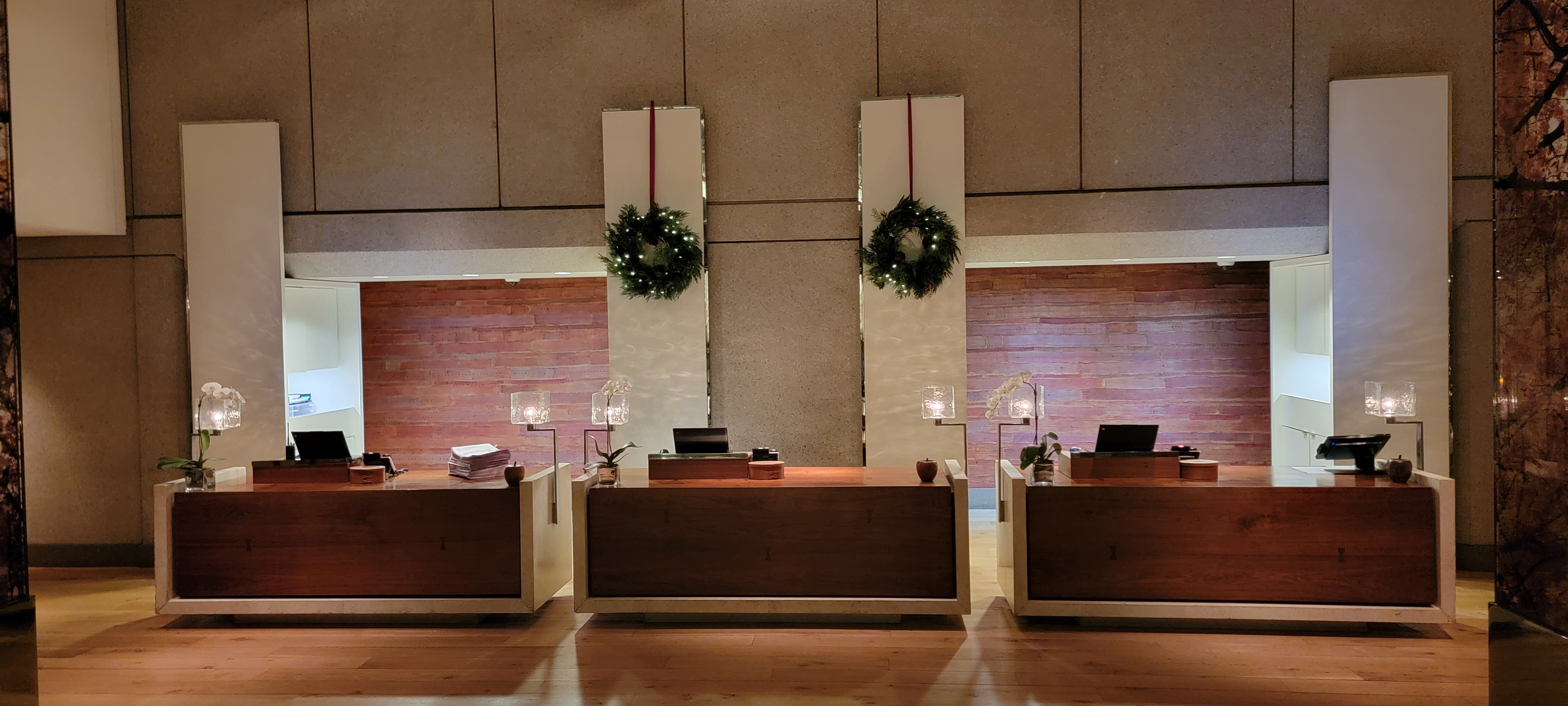
Hotel industry practices lock travelers into rigid check-in and check-out windows that fail to match real travel patterns. Standard 3 p.m. check-in and 11 a.m. checkout times mean guests routinely pay for rooms they cannot occupy, a problem that compounds for international travelers arriving on red-eye flights or departing on early morning connections.
Long-haul travelers face the sharpest pain. A passenger flying from London to New York arrives in the morning but cannot enter their room until afternoon, wasting hours in lobbies or paying premium rates for early check-in. Similarly, late-night departures force guests to checkout by late morning despite needing the room until their evening flight. These gaps represent paid inventory the hotel sells twice over while the guest uses it zero times.
Budget chains like Motel 6 and La Quinta typically enforce strict timelines with minimal flexibility. Mid-range properties including Marriott Bonvoy affiliates offer elite status benefits that ease access but standard guests pay full rates regardless. Luxury brands from Four Seasons to Ritz-Carlton provide more fluidity for high-tier members but charge steeply for early arrivals or late departures among regular bookings.
The economics favor hotels. Standard rates anchor to 24-hour occupancy blocks that don't reflect actual usage. A guest paying $200 for a night but only accessing the room from 2 p.m. to 10 a.m. covers 20 hours of unused time. Hotels argue staffing models and housekeeping schedules require fixed turnaround windows. Yet properties in competitive markets have experimented with flexible timing without abandoning profitability.
Savvy travelers adjust reservations to match arrival and departure times precisely, booking checkout dates one day earlier than their actual departure. Others negotiate directly with front desk staff, though outcomes vary by property and staff