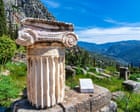
Greece's mythology transforms into tangible travel experiences across five distinct destinations tied to ancient gods and legendary tales. Visitors can walk through Delphi, where Apollo's oracle once delivered prophecies to supplicants seeking divine guidance. The sanctuary remains one of Greece's most powerful archaeological sites, perched dramatically on Mount Parnassus.
Other mythical hotspots anchor themselves in specific narratives. The infant Hermes' cattle theft tale connects to locations across the Peloponnese. Poseidon's legendary sea nymph romance points to coastal regions where ancient temples still overlook the Mediterranean. Each site carries layers of storytelling that shaped Western civilization for millennia.
Greek mythology did far more than entertain ancient audiences. These narratives explained natural phenomena, established moral frameworks, and articulated concepts of justice that influenced law, art, and philosophy. The gods embodied human flaws and virtues in exaggerated form, making abstract ideas tangible and memorable.
Modern Greece capitalizes on this mythological magnetism, weaving archaeological heritage into contemporary travel experiences. Walking these landscapes, visitors encounter not just ruins but the physical spaces where ancients believed their gods walked. Temple columns frame Mediterranean vistas. Sacred springs still flow. Mountain sanctuaries command the same awe they inspired two thousand years ago.
The trend reflects broader travel patterns. Cultural tourism centered on historical significance and narrative richness attracts travelers seeking deeper meaning beyond beach holidays. Greece positions itself at tourism's intellectual frontier, offering Instagram-worthy ruins alongside genuine historical immersion.
For budget-conscious travelers, many mythological sites require minimal entrance fees. Archaeological museums near major sites provide context inexpensively. Accommodation clusters around Athens and Rhodes offer competitive rates while providing bases for mythological excursions.
These five trips allow travelers to inhabit the stories themselves. Rather than merely reading about Hermes' mischief or Apollo's prophec