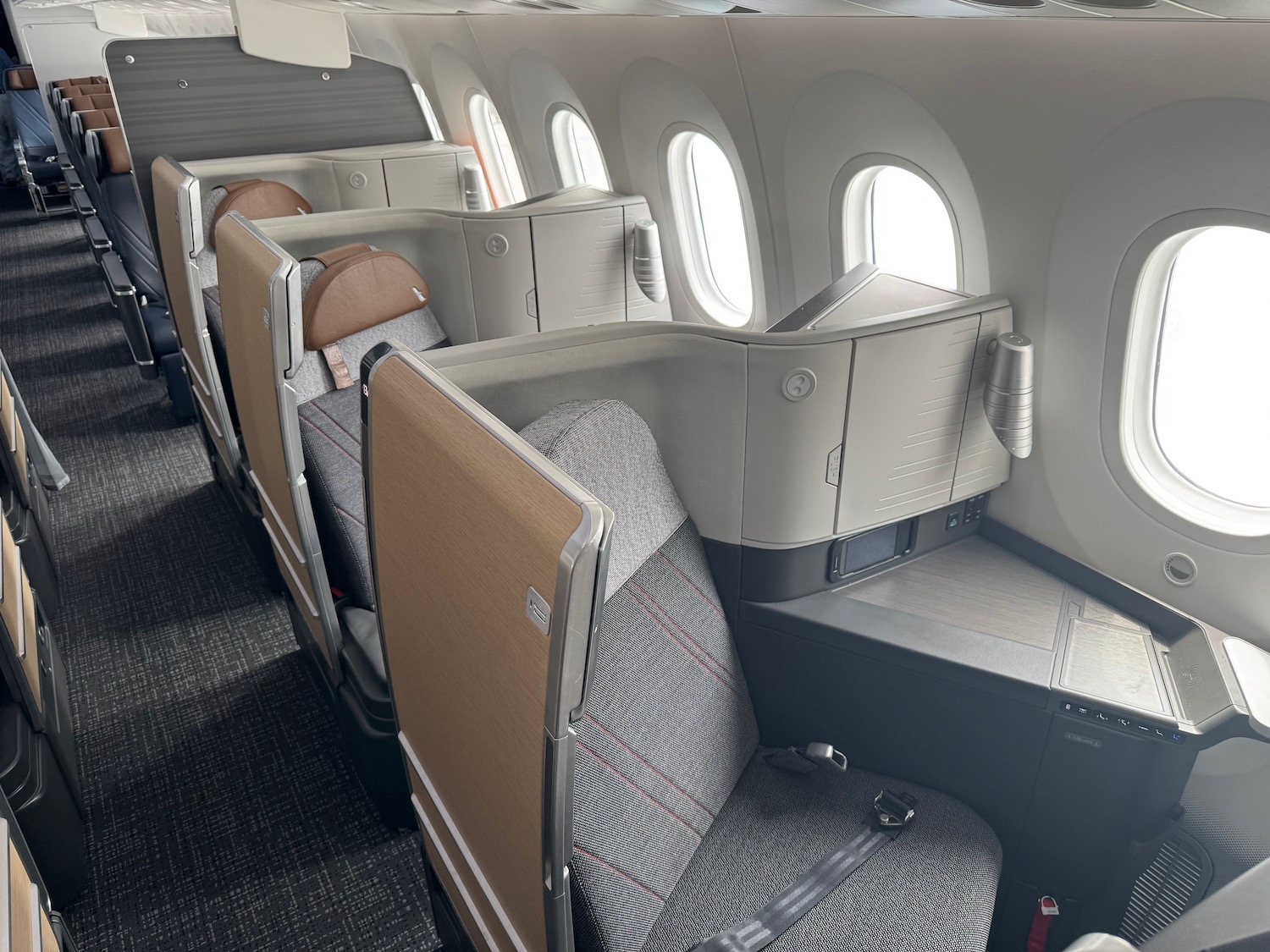
A veteran frequent traveler assesses their elite status portfolio midway through 2026, revealing how loyalty program membership across airlines, hotels, cruises, car rentals, and credit cards shapes real travel experiences.
Elite status hunting has shifted from pure vanity to practical benefit maximization. The traveler examines performance against goals at major carriers, hotel chains, cruise lines, and rental agencies. Each program offers distinct advantages. Airline elite tiers unlock priority boarding, lounge access, and cabin upgrades on carriers like United, American, and Delta. Hotel programs from Marriott, Hyatt, and IHG provide room upgrades, late checkout, and points bonuses. Cruise lines reward frequent sailings with onboard credits and cabin perks. Credit cards tied to these ecosystems amplify benefits through annual free nights, airline incidentals credits, and elevated earning rates.
The midyear checkpoint matters. Travelers who started strong in January face critical decisions by June. Maintaining elite status requires hitting spending thresholds or flying specific segments. Some members hit targets early. Others fall behind and must accelerate trips, spend strategically, or downgrade expectations. Co-branded credit cards accelerate progress. American Express Platinum, Chase Sapphire Reserve, and airline-specific cards provide status matches or accelerators that compress the calendar year's work into months.
The calculus has changed since 2023. Annual fees on premium cards climbed. Airlines raised elite qualification thresholds. Hotels require steeper spending. Yet benefits expanded too. Complimentary upgrades became more generous. Lounge networks grew. Points values shifted.
Mid-year assessment forces honest evaluation. Status chasing works only if benefits exceed costs. A traveler earning Gold at Hyatt through credit card spending pays $550 annually but receives free night certificates worth $300 per use at properties in major markets. The math