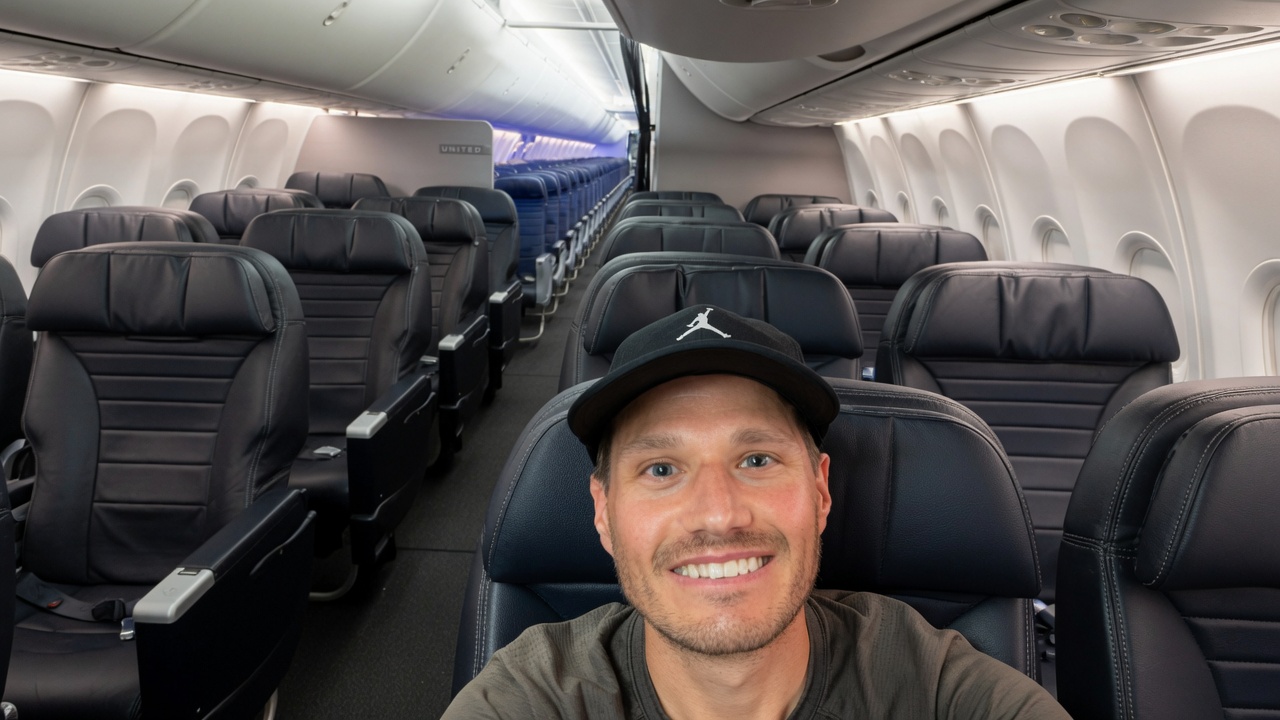
A British Airways passenger discovered an unexpected perk after his London-Chicago flight diverted to Cincinnati due to severe storms. Left stranded by BA with minimal assistance, the traveler connected with a sympathetic airport employee who rebooked him on a delayed United Airlines flight heading to Chicago.
When that United Boeing 737 finally pushed back from the gate, every other passenger had already deplaned or changed flights. The solitary traveler then enjoyed the ultimate flying experience: an entire aircraft to himself. He occupied first class, sampled all available snacks, toured the cockpit, and received personalized announcements throughout the flight.
The incident highlights the chaos that storm disruptions create across airline networks. Cincinnati became a bottleneck when BA diverted mid-flight, forcing passengers into uncertain connections. While most travelers eventually scattered to other flights or ground transportation, this one passenger's timing proved fortuitous. United's crew allowed him to experience what most flyers only dream about: exclusive cabin service, unlimited beverage selections, and complete privacy at 35,000 feet.
The story underscores how airline customer service varies dramatically. BA's perceived indifference contrasted sharply with the United employee's initiative in finding a solution. Though the passenger ultimately flew United rather than reaching his original BA connection, he transformed a frustrating disruption into a memorable journey.
This situation also reflects growing operational strains on major carriers. Weather-related diversions increasingly ripple through networks, creating cascading cancellations and rebooking nightmares. Most stranded passengers experience crowded standby flights or day-long delays. This traveler's stroke of luck served as a silver lining to poor planning and poor weather.
For frequent flyers, the lesson remains simple: airport staff relationships matter. A single helpful employee can turn disaster into delight. Meanwhile, airlines should improve their communication and rebooking protocols when diversions occur.