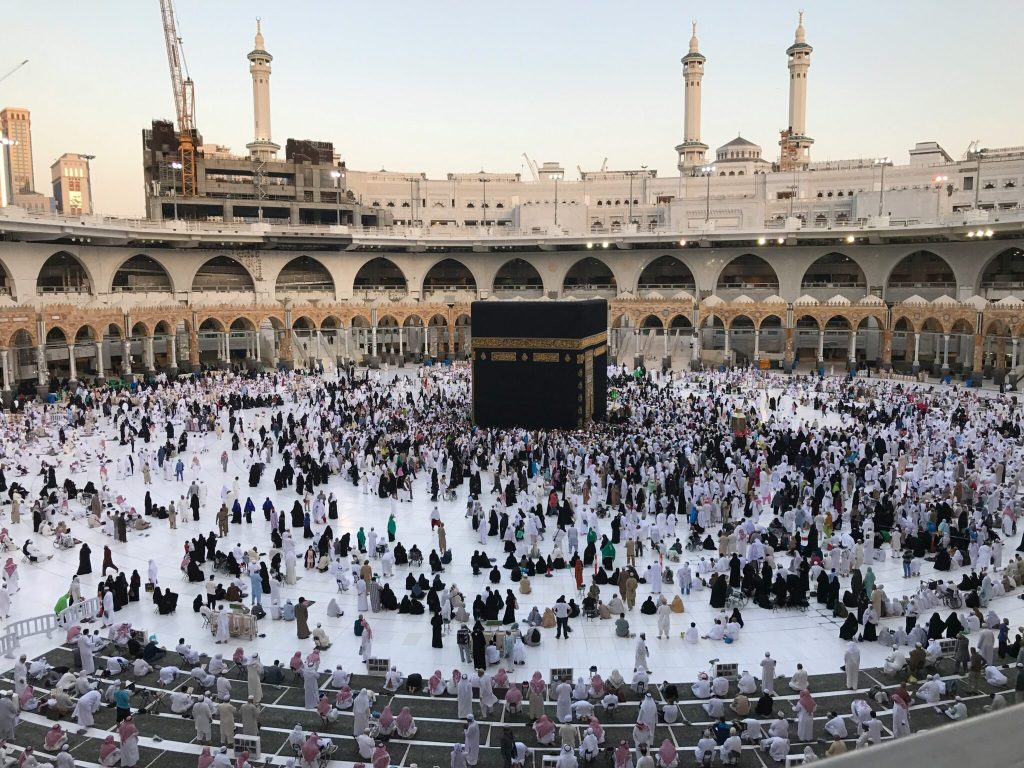
Saudi Arabia's tourism sector is undergoing a significant reshuffling as the Public Investment Fund (PIF) reduces its direct involvement, creating opportunities for private capital to reshape the kingdom's travel landscape. The shift reveals deep disagreements about where growth actually exists in a market that welcomed 100 million visitors in 2023.
Private investors are targeting divergent segments. Some see luxury hospitality as the play, banking on ultra-high-net-worth travelers drawn to mega-events like the Saudi Cup horse race and Formula 1's Saudi Arabian Grand Prix. Others are betting on mid-market infrastructure, positioning themselves to capture regional leisure travel from Gulf nationals. A third cohort focuses on experiential tourism, developing heritage sites and adventure offerings across the Red Sea and Neom regions.
The PIF's retreat matters because it signals confidence that the private sector can drive returns. Previously, the sovereign wealth fund bankrolled major projects directly. Now private equity and hospitality operators are evaluating what PIF's early moves taught them, then making different bets. Some groups are acquiring existing hotel portfolios. Others are developing boutique properties or festival infrastructure.
This fragmentation reflects genuine uncertainty about Saudi tourism's trajectory. The kingdom spent heavily on international marketing and major events, but conversion rates vary wildly by segment. Luxury operators see steady demand from high-rollers attending sporting events. Budget hotel chains see potential in regional business travel. Experiential operators bank on younger travelers discovering the Red Sea's diving and Neom's futuristic appeal.
What matters for travelers planning trips to Saudi Arabia: expect rapid hotel supply growth, especially in mid-luxury categories over the next three to five years. Competition should moderate prices in some segments while luxury properties maintain premium positioning. Accommodation options expand beyond Riyadh and Jeddah into resort destinations like the Red Sea and eventually Neom.
The diverse capital flows suggest the market can