# Walk the Scottish Coast That Changed Science
Scotland has opened the Deep Time trail, a new walking route that traces 330 million years of geological history along its coastline. The path winds through formations that fundamentally altered scientific understanding of Earth's structure and age.
The trail showcases Siccar Point in the Scottish Borders, where 18th-century geologist James Hutton made observations that revolutionized geology. Hutton recognized that the tilted rock layers at this location proved Earth was far older than previously believed, laying groundwork for modern geology itself. The site remains a pilgrimage destination for geology students and scientists worldwide.
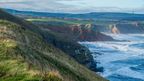
Travelers can walk accessible sections ranging from short coastal strolls to multi-day hikes. The route passes through dramatic red sandstone cliffs, volcanic formations, and ancient metamorphic rocks. Each geological formation represents a different era, with interpretive signage explaining what forces shaped the landscape millions of years ago.
The Deep Time trail connects several Scottish locations including Eyemouth, Dunbar, and coastal areas near Edinburgh. Local operators offer guided walks with geologists who explain the significance of each rock formation and the scientific discoveries made there. Accommodation options range from budget hostels to mid-range hotels in nearby towns like North Berwick and Dunbar.
The Scottish government developed this trail to promote geological tourism and heritage education. Visitor numbers to these sites have increased dramatically since the route's designation. The experience appeals to geology enthusiasts, history buffs, and casual hikers seeking dramatic coastal scenery.
The Deep Time trail positions Scotland as a world-class destination for geological tourism, comparable to famous fossil sites in other regions. The combination of scientific significance and natural beauty attracts visitors willing to invest time in slower travel experiences. Spring through autumn offers the best hiking conditions, with June providing maximum daylight hours for extended walks.