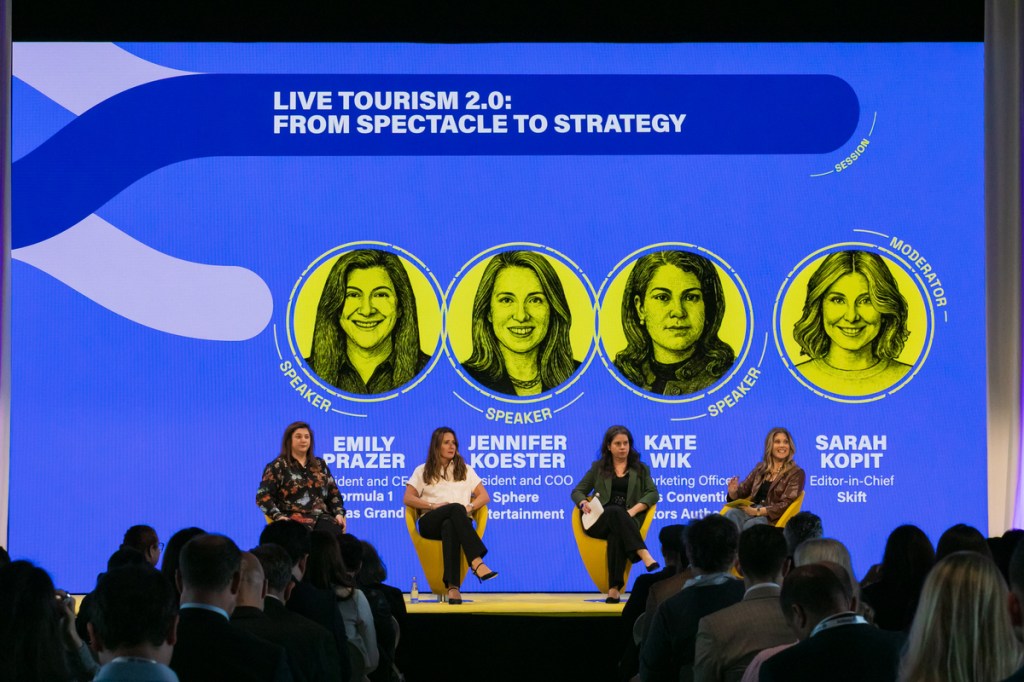
The live events industry has fundamentally reshaped travel patterns, and most tourism operators remain unprepared for this shift. Concerts, festivals, sports competitions, and cultural moments now drive destination choices for millions of travelers worldwide. The Skift Live Tourism Summit 2026, presented by Live Nation, addresses this gap directly.
Tour operators, hotels, airlines, and destination marketing organizations still approach live events as calendar footnotes rather than strategic pillars. This outdated thinking costs them revenue and market share. The summit brings industry leaders together to transform their business models around the live economy's realities.
The numbers tell the story. Music festivals like Coachella in California and Glastonbury in England generate hundreds of millions in local tourism spending annually. Sports events from the Olympics to the FIFA World Cup displace normal travel patterns for weeks. Cultural moments like award shows and theater productions pack cities beyond capacity.
Hotels near major venues now command premium rates during event weekends. Airlines add flights and raise prices accordingly. Ground transportation, dining, and accommodation fill instantly. Yet many operators fail to capitalize because they treat these surges as anomalies rather than predictable revenue streams.
The summit creates space for operators to learn systematic approaches. Sessions cover demand forecasting during major events, dynamic pricing strategies, workforce planning for volume spikes, and partnership opportunities with promoters like Live Nation. Attendees network with festival organizers, sports leagues, and cultural institutions planning 2026 and beyond.
This represents a maturation of the live economy. What started as niche travel for superfans has become mainstream. Gen Z and millennial travelers plan vacations around music festivals and sporting events as primary objectives, not secondary activities. Older demographics increasingly do the same.
For travelers planning trips, this shift means better options and higher costs. Cities hosting major events invest in infrastructure. Hotels expand capacity. Airlines increase routes. But prices spike dramatically during peak event