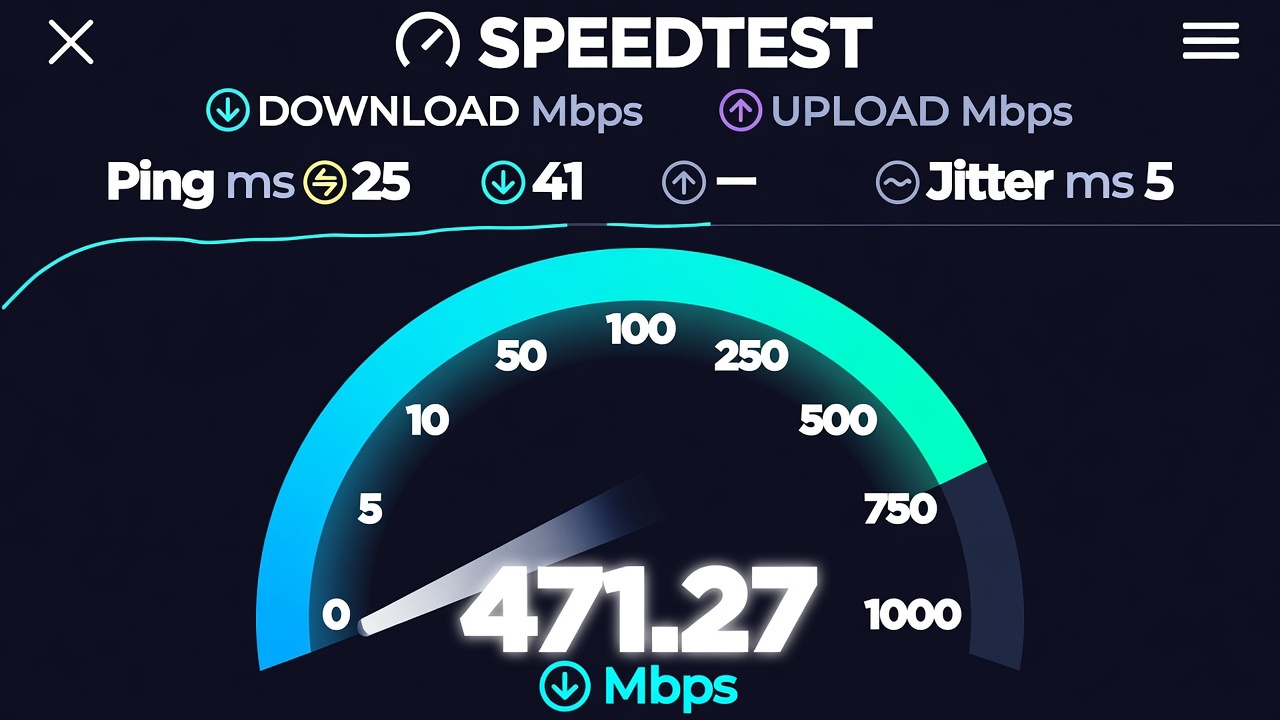
Copa Airlines will become the first major carrier to charge most passengers for Starlink internet access, breaking with the service's long-standing free model on aircraft. The Panama-based carrier plans to offer complimentary connectivity only to business class travelers, elite frequent flyer members, and existing Starlink residential or roaming customers. Economy passengers and basic loyalty program members will face charges for in-flight Wi-Fi.
The shift reflects Starlink's willingness to accommodate airline revenue strategies as competition in in-flight connectivity intensifies. Amazon's Project Kuiper, formerly called Amazon Leo, and other satellite internet systems now pressure carriers to monetize previously free services. Airlines see paid Wi-Fi as a new revenue stream, particularly as premium cabin demand remains strong post-pandemic.
Copa's tiered approach mirrors strategies used by competitors across Latin America and beyond. The carrier joins a growing number of airlines testing paid connectivity models, though most still offer free access to all passengers or bundle it with premium cabin tickets. This pricing structure protects Copa's business class competitiveness while targeting economy passengers willing to pay for connectivity on longer routes across Central and South America.
The change carries implications for budget travelers and leisure flyers planning Copa flights between Miami and Panama City, Bogota, and other regional hubs. Passengers accustomed to complimentary Starlink service will now encounter paywalls unless they qualify for exemptions. Exact pricing remains undisclosed, but industry rates typically range from $5 to $8 for hourly passes and $15 to $20 for monthly subscriptions.
For frequent travelers, elite status becomes more valuable under Copa's structure. Those holding elite cards earn free Wi-Fi alongside other benefits like priority boarding and lounge access. Business class fares, already commanding significant premiums, now bundle connectivity as standard.
Starlink's flexibility on pricing signals maturation in the satellite internet market