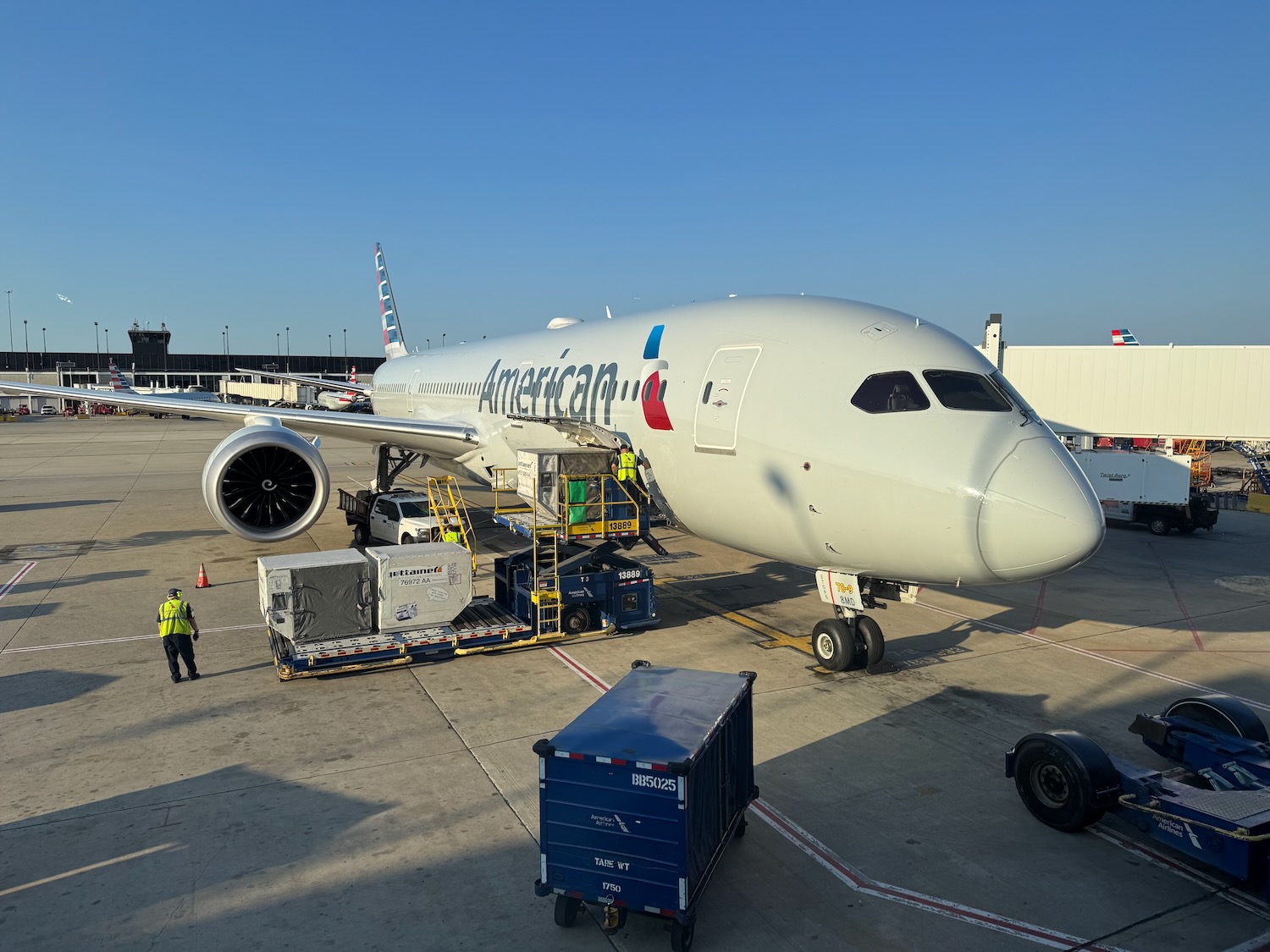
American Airlines resumes nonstop service between Chicago O'Hare and Tokyo Narita starting March 2025, but the move represents a strategic retreat rather than expansion. The carrier takes over the route from Japan Airlines, essentially swapping operators rather than adding capacity to the market.
The shift carries mixed implications for travelers. AAdvantage frequent flyer members gain access to American's systemwide upgrade inventory on the Chicago-Tokyo segment, a genuine benefit for elite passengers seeking premium cabin seats. For economy passengers and casual flyers, however, the change reads as a downgrade. American's Boeing 787-9 Dreamliner typically offers fewer premium seats and less generous amenities compared to JAL's Boeing 787, which historically provided superior business class products and superior inflight hospitality.
This move exposes deeper weakness in American's transpacific strategy. Unlike United Airlines and Delta Air Lines, which have aggressively expanded Asia routes post-pandemic, American struggles to maintain competitive positioning in this lucrative long-haul market. The carrier lacks sufficient modern widebody aircraft and faces pressure to serve key markets without substantial fleet additions. Rather than genuinely growing the Chicago-Tokyo market, American essentially inherits JAL's slot at an important gateway.
For travelers planning Chicago to Tokyo trips, expectations require recalibration. Those chasing premium experiences should compare American's product against competitors like United (which operates Chicago-Tokyo via its hub system) and Air Canada, which also serves this route. Business travelers prioritizing amenities may find JAL's previous service model superior, though direct access through American's loyalty program offers convenience benefits.
The Chicago-Tokyo route remains strategically vital, connecting the Midwest's largest metro area to one of Asia's top business and leisure destinations. Yet American's takeover signals a holding pattern rather than aggressive growth. The airline manages existing assets without the capital investment rivals deploy. For the broader travel