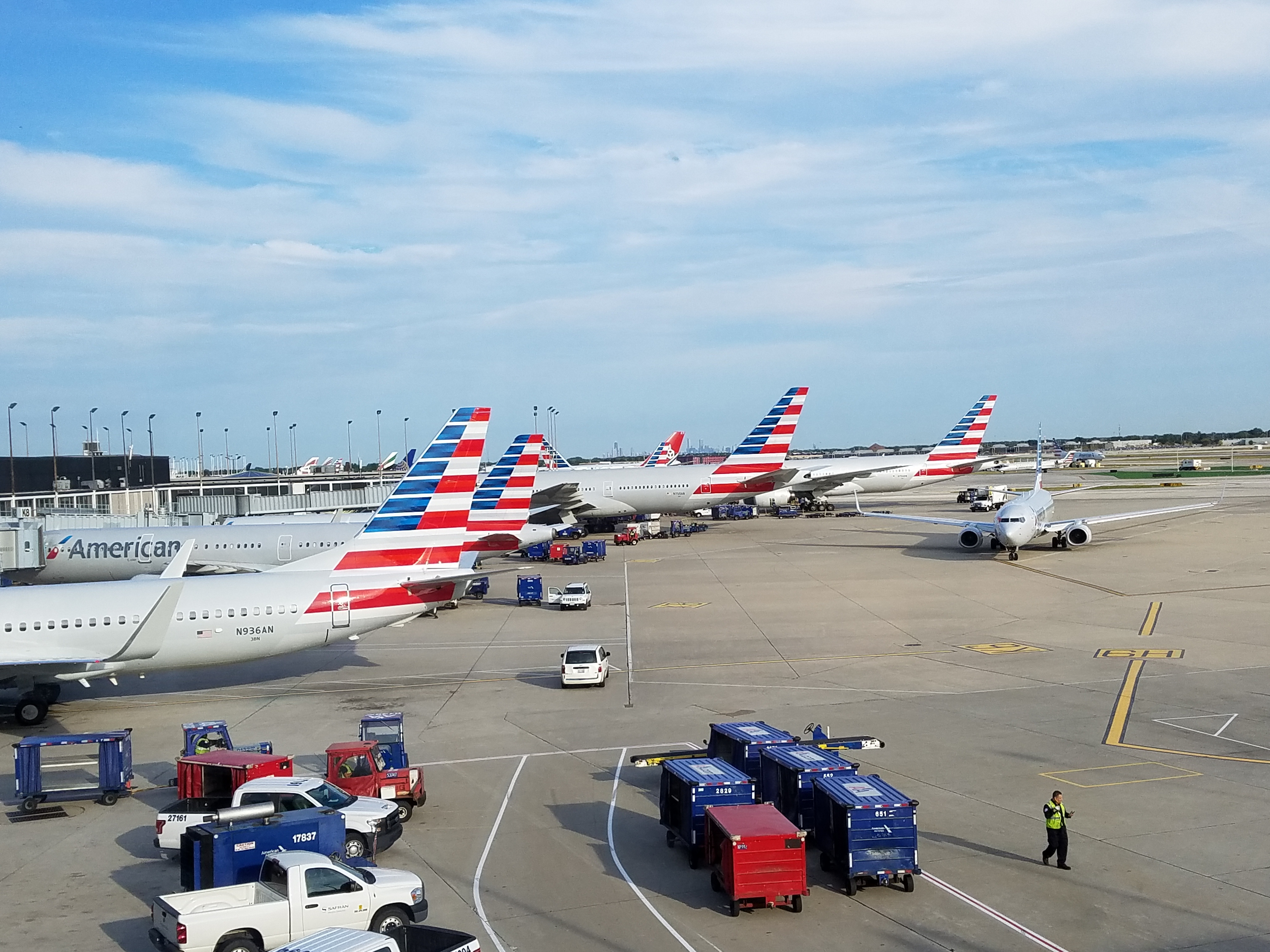
American Airlines secures a significant victory at Chicago O'Hare International Airport, reclaiming three gates in October after United Airlines failed to eliminate the carrier from the hub. This reversal marks a turning point in a competitive struggle for control at one of the nation's busiest airports.
United's aggressive strategy to expand its footprint at O'Hare by leveraging capacity and gate allocation rules backfired. The carrier had previously forced American to relinquish gates, but regulatory or operational constraints ultimately prevented United from fully squeezing out its rival. American's restored presence now exceeds its position before last year's losses, strengthening its competitive standing in Chicago.
The gate reallocation reflects broader dynamics at major U.S. airport hubs. With limited gate inventory at congested airports like O'Hare, carriers constantly maneuver for advantage. United controls the largest presence at O'Hare, but American's retention and recovery preserve essential infrastructure for its Chicago operations. These three additional gates allow American to maintain service frequency and expand potential routes from the city.
For Chicago travelers, this development supports continued airline competition. American's strengthened position enables fare competition and route options that benefit consumers. Passengers flying from O'Hare can expect maintained or expanded American service across its network, from domestic routes to international destinations.
Gate disputes play an outsized role in airline strategy at hub airports. Carriers use gates to control schedules, manage aircraft utilization, and establish market presence. O'Hare's constrained gate capacity makes every slot valuable. American's successful defense against United's squeeze demonstrates that gate control requires sustained advocacy with airport authorities and regulators.
The October timeline gives American weeks to integrate the recovered gates into its operations. The carrier likely plans optimized scheduling across these additional slots to maximize efficiency. This repositioning strengthens American's Chicago foundation as airlines navigate post-pandemic demand patterns and