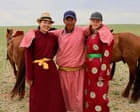
Travelers seeking meaningful journeys beyond typical tourist routes now have accessible options that directly benefit local communities. Eternal Landscapes operates community-focused expeditions across Mongolia, steering visitors away from overcrowded desert hotspots toward authentic cultural encounters.
The five-day Erdenedalai Explorer trip exemplifies this trend. Guests spend time with herding families in Mongolia's Middle Gobi region, an area largely untouched by conventional tourism. This model contrasts sharply with mass-market itineraries that concentrate visitors in predictable locations like the southern Gobi's famous dunes.
Community tourism addresses a growing traveler demand for trips with purpose. Visitors increasingly want accommodations and experiences that empower local populations, support women's economic participation, and preserve traditional customs. Rather than passing through destinations, participants actually stay with families, learning pastoral lifestyles firsthand while their spending directly reaches those communities.
The Guardian's broader feature highlights ten global community tourism destinations, extending from Mongolia to Ghana and beyond. Each itinerary prioritizes welfare projects and cultural authenticity over extraction-style tourism that profits external operators.
This shift reflects changing traveler priorities post-pandemic. Budget-conscious explorers and luxury travelers alike now weigh their impact. Community tourism operators like Eternal Landscapes address this by designing small-group experiences that cap environmental footprint while maximizing local benefit.
For travelers planning their next trip, community tourism offers genuine alternatives to resort enclaves and guidebook circuits. Mongolia's Middle Gobi experience proves that some of Earth's most rewarding destinations remain off mainstream paths. These trips typically cost less than premium all-inclusive packages while delivering richer cultural engagement.
The model works because it aligns tourist interest with community needs. Local families welcome visitors for income stability, while travelers gain unscripted experiences. Traditional customs survive because they remain living practices, not museum exhibits.