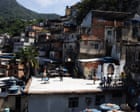
Tourists worldwide flock to Rio de Janeiro's Rocinha favela to snap photos at the "Gateway to Heaven," a rooftop that went viral on social media. The spot, located in Brazil's most iconic hillside neighborhood, now sees queues stretching for hours as visitors pay for the chance to pose for videos overlooking the sprawling city and Atlantic Ocean.
Paul Boswell, a 58-year-old builder from Essex, England, represents the new wave of travelers seeking Instagram-worthy moments. His family traveled to Rio specifically to visit this favela rooftop during their Brazil holiday, underscoring how social media virality reshapes travel behavior and destination discovery.
The phenomenon reflects broader travel trends. Travelers increasingly prioritize photogenic locations over traditional attractions, driving demand for experience-based tourism in unexpected neighborhoods. Rio's favelas, historically marginalized communities, now monetize their geography and aesthetic appeal through social media-driven tourism.
This shift carries complex implications. Tourism brings income to Rocinha residents but also raises questions about exploitation, safety, and the commercialization of vulnerable communities. Visitors arrive with expectations shaped by carefully curated videos rather than understanding local culture or conditions.
Tour operators have capitalized on demand. Motorcycle taxis transport tourists up narrow favela streets to rooftops offering panoramic views. Prices vary, but visitors typically pay per photo or video session, creating informal economies that benefit some residents directly.
The "Gateway to Heaven" phenomenon also illustrates how algorithmic content discovery creates tourism hotspots faster than traditional marketing ever could. A few viral TikTok or Instagram videos generate international demand without official promotion or infrastructure planning.
For travelers planning trips to Rio, this represents both opportunity and caution. The rooftop offers legitimate views unavailable elsewhere, but visiting requires sensitivity to local contexts. Travelers should book through reputable operators familiar with favela tourism,