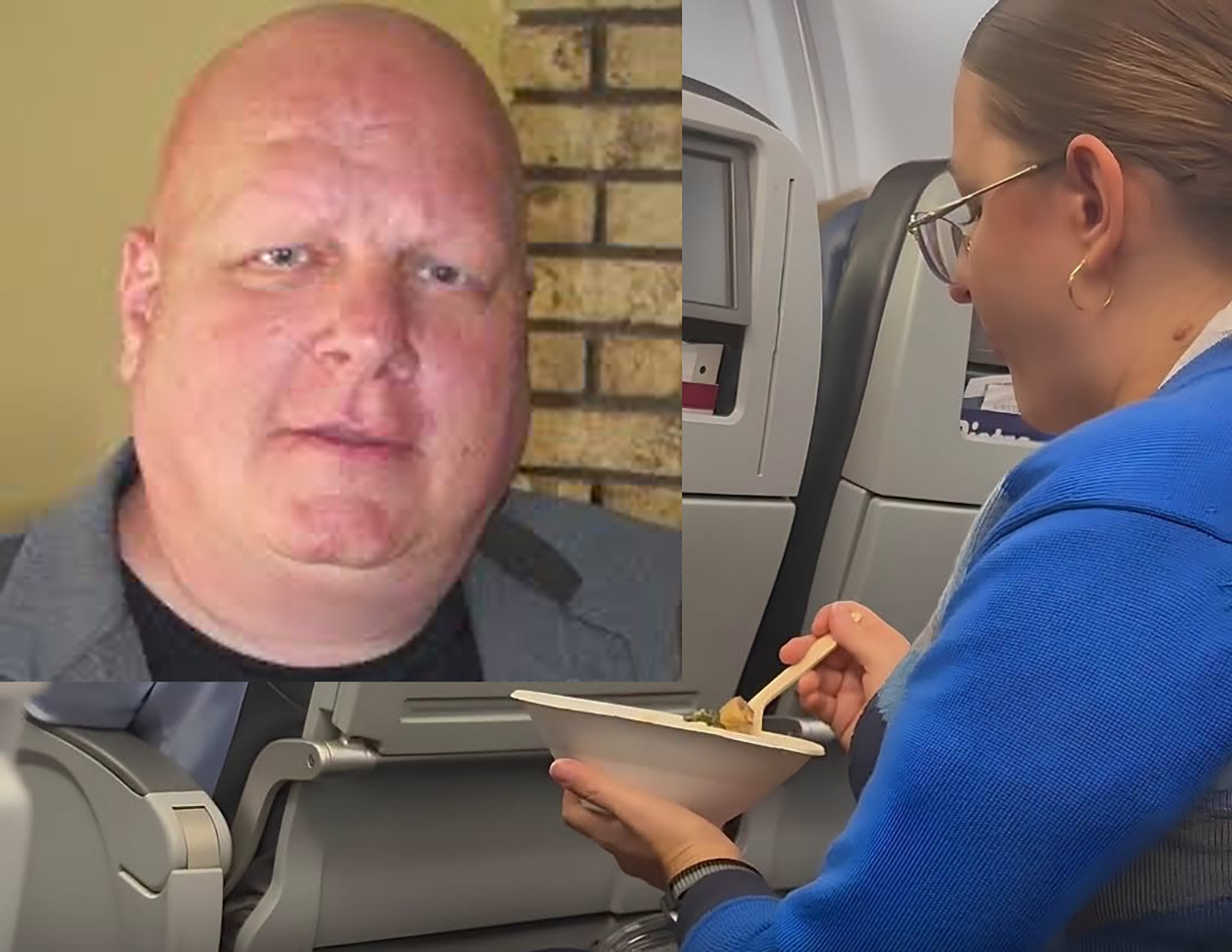
A United Airlines passenger verbally attacked a flight attendant during boarding, calling her a "warthog" and telling her to take the weight-loss drug Ozempic because she was eating. The incident highlights the escalating problem of passenger aggression in aviation and raises questions about airline crew working conditions.
Flight attendants on United and other carriers work grueling schedules with minimal breaks between flights. Many grab food whenever possible during boarding or between service cycles, not out of negligence but necessity. The job offers limited time to eat proper meals during shifts that can stretch ten or more hours.
The passenger's comments reveal assumptions that crew members should remain unseen and silent while serving others. The cruel language and body-shaming reflect a broader pattern of disrespect toward airline staff. The FAA has documented thousands of unruly passenger incidents annually, with verbal abuse and insults constituting the majority of cases.
United Airlines has policies addressing passenger conduct, including removal from flights and bans for abusive behavior. However, enforcement remains inconsistent. Flight attendants rarely report incidents, fearing retaliation or being blamed for "provoking" passengers.
Airlines market service quality to premium cabin passengers, sometimes inadvertently creating unrealistic expectations about crew availability and appearance. First and business-class passengers especially expect constant attentiveness. This dynamic can breed resentment when crew members take breaks or eat.
Travel experts recommend airlines invest in better scheduling and break policies that allow crew members dignity during long shifts. Passengers booking flights should remember that flight attendants are safety professionals first, service providers second. Their primary role involves emergency response and passenger safety.
United passengers planning trips should recognize that treating crew with respect creates better experiences for everyone aboard. The airline industry faces ongoing staffing challenges. Creating hostile environments makes recruitment and retention even harder.