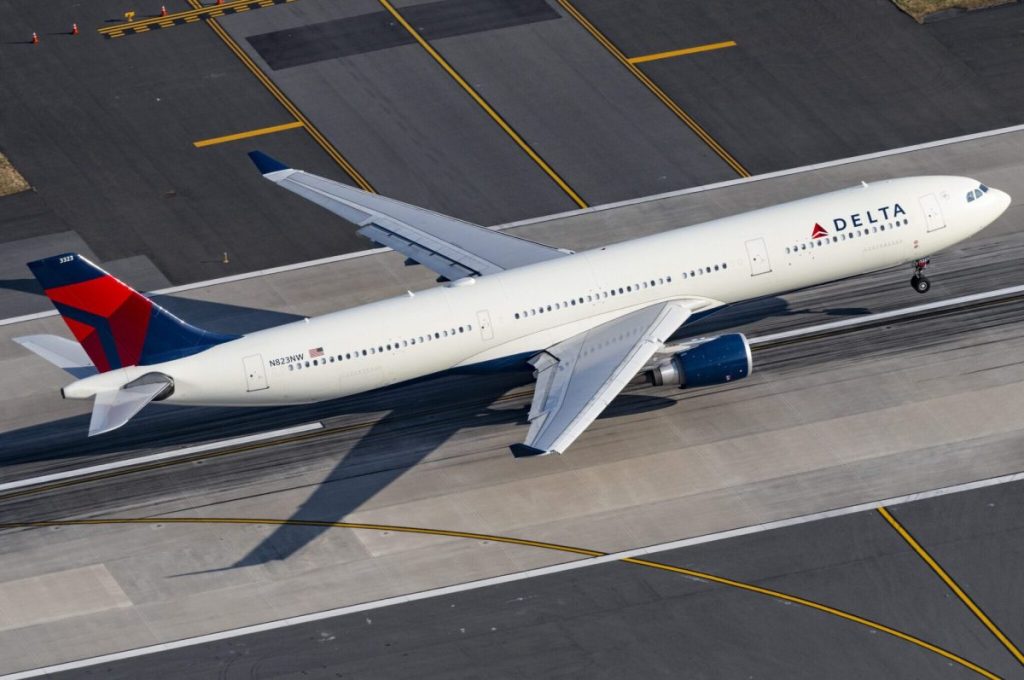
Delta Air Lines maintains confidence in hitting its 2026 profit targets despite volatile fuel markets that have doubled costs this year. The Atlanta-based carrier's resilience reflects strong demand across its network and pricing power that allows it to pass increased expenses to passengers.
Fuel represents one of aviation's largest variable costs. When prices spike, airlines face immediate pressure on margins. Delta's ability to absorb or offset these increases demonstrates the carrier's operational efficiency and revenue management strength. The airline has raised fares across domestic and international routes to counteract inflationary pressures, a strategy supported by sustained travel demand from both leisure and business passengers.
Industry analysts view Delta's outlook as a positive signal for the broader carrier landscape. United Airlines and American Airlines face similar fuel headwinds, yet the sector continues to generate profits. This suggests airlines have successfully implemented pricing strategies that stick with consumers willing to pay more for travel.
The fuel cost environment remains uncertain heading into 2026. Oil prices fluctuate based on geopolitical events, supply chain disruptions, and demand patterns. However, Delta's guidance indicates management expects either fuel moderation or the ability to maintain current pricing advantages regardless of energy costs.
For travelers planning 2026 trips, Delta's confidence suggests stable route networks and frequent service. The airline invests heavily in fleet modernization and airport infrastructure during profitable periods, enhancing passenger experience. Fares will likely remain elevated compared to pre-pandemic levels, reflecting both fuel costs and strong demand.
Delta's operational discipline extends across crew scheduling, aircraft utilization, and fuel efficiency improvements. Newer aircraft like the Boeing 787 and Airbus A350 consume less fuel per passenger mile than older widebody jets. These investments in modern equipment help offset rising energy costs.
The carrier operates hubs in Atlanta, Detroit, Minneapolis, and Salt Lake City, with significant transatlantic and transpacific service. Maintaining profit