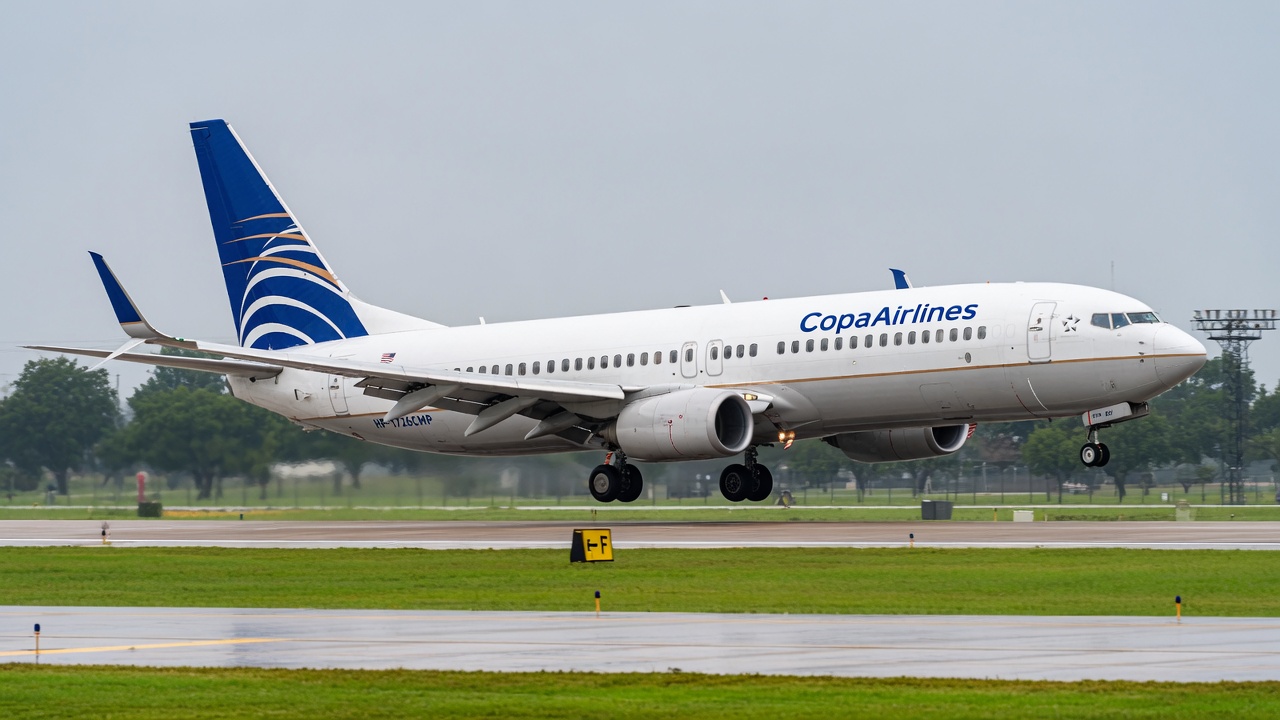
A Copa Airlines captain sparked a confrontation with air traffic control at an unspecified airport after deviating from standard runway procedures. The pilot exited a different runway than instructed by controllers, then escalated tensions by calling the air traffic control team "incompetent" during radio communications. When the tower supervisor requested the captain's name and information, the pilot refused to comply and issued a direct challenge, inviting the supervisor to meet him at Gate A8. The supervisor's response, "Is that a threat?" captured the intensity of the exchange.
Authorities are now reviewing audio recordings of the incident to determine whether the captain's conduct violated aviation safety protocols or crossed into threatening behavior. This confrontation highlights growing tensions between pilots and air traffic controllers, particularly as the aviation industry navigates staffing shortages and increased operational pressure. Copa Airlines, the major carrier based in Panama, operates extensive routes throughout Central and South America and the Caribbean.
The incident underscores ongoing friction in cockpit-tower relations. Pilots and controllers depend on clear communication for safety, yet disagreements over procedures, workload, and operational decisions can escalate quickly. The captain's refusal to identify himself represents a breach of standard protocol, which requires pilots to provide identification and cooperate fully with air traffic control investigations.
For travelers, these incidents matter because they expose potential safety culture issues within airline operations. While the runway exit deviation itself may have posed limited risk depending on circumstances, the breakdown in professional communication raises questions about crew training and conflict resolution procedures. Copa Airlines passengers should monitor any regulatory findings or safety directives that emerge from this investigation.
The Federal Aviation Administration and local aviation authorities will likely determine whether the captain faced operational errors that triggered frustration, or whether his response violated conduct standards. Either scenario points to systemic issues that require attention before similar conflicts occur at critical moments during flight operations.