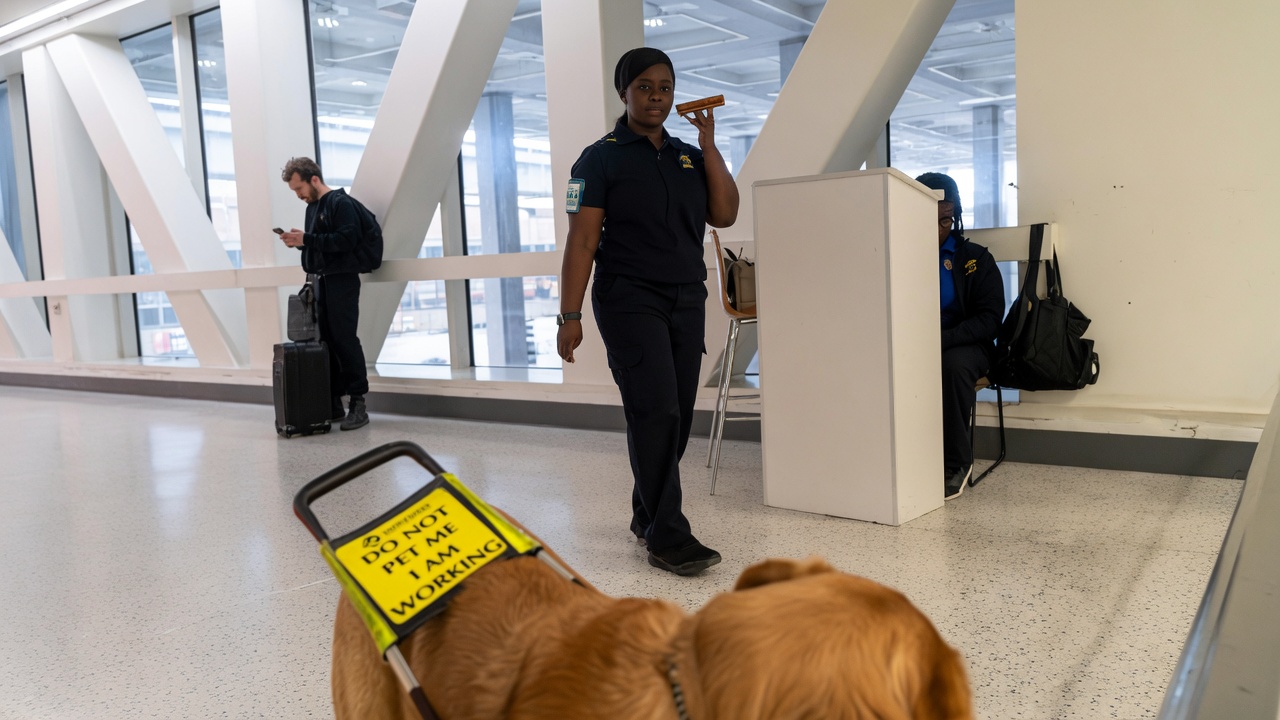
A blind passenger traveling through Houston George Bush Intercontinental Airport encountered a troubling accessibility barrier when airport security staff blocked him from using an escalator despite his legitimate need. The passenger, accompanied by his trained guide dog, attempted to use the escalator after explaining he could not independently locate and operate elevator buttons due to his visual impairment. When he challenged the security decision, a staff member responded with dismissal: "I do not care."
The incident highlights ongoing accessibility gaps at major U.S. airports, where inconsistent enforcement of disability accommodations creates frustrating obstacles for travelers with disabilities. Federal regulations under the Americans with Disabilities Act require airports to provide accessible alternatives, yet frontline workers often lack proper training or demonstrate indifference to accessibility needs.
Guide dogs are legally permitted to accompany passengers throughout airports and on commercial flights, yet these service animals frequently encounter unnecessary restrictions from untrained security personnel. The escalator prohibition was particularly problematic since the passenger correctly identified that elevators present their own accessibility challenges without assistance locating and pressing floor buttons.
Houston Intercontinental, operated by the Houston Airport System, serves over 40 million passengers annually and handles significant international traffic. This incident suggests that training protocols for security and customer service staff at the airport require improvement, particularly around service animal policies and disability accommodation requirements.
For travelers with disabilities planning trips through major hubs like Houston, carrying documentation of service animal certification and understanding your rights under the ADA provides some protection. However, relying on individual staff compliance places unnecessary burden on disabled passengers. Airlines and airports must implement mandatory accessibility training for all personnel working in passenger-facing roles to prevent these encounters and ensure all travelers experience dignified, equal access to transportation infrastructure.