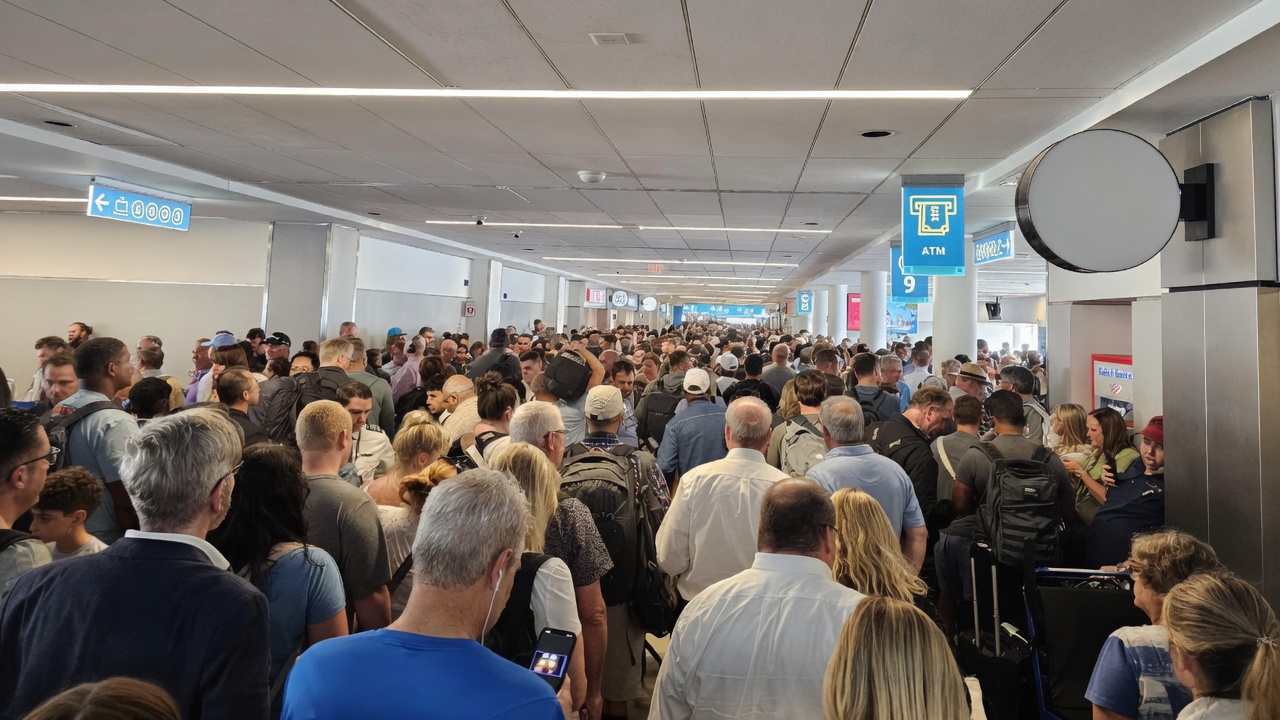
Charlotte Douglas International Airport markets itself as a cost-efficient hub, but travelers experience the operational reality of those savings: gridlocked corridors, exhausting walks between gates, razor-thin connection times, and substandard passenger amenities. The airport's business model prioritizes operational efficiency over passenger experience.
The issue extends beyond inconvenience. Tight connections at Charlotte Douglas create a cascade effect. Passengers miss flights when ground transportation lags or security lines backup. The airport's corridor congestion during peak hours transforms basic navigation into a logistical challenge. Lounges operate at minimal capacity, leaving business travelers without adequate rest spaces. The geometry of the terminal forces long walks between gates, straining families with young children and elderly passengers.
Budget operations typically mean reduced staffing, minimal amenities, and infrastructure stretched thin. Charlotte Douglas achieves lower costs by running lean, but those savings shift directly to passenger friction. Airlines like Southwest, which makes Charlotte a focus city, benefit from the airport's affordability. Passengers pay the hidden costs: missed connections, delayed baggage, stress, and fatigue.
This tension defines modern U.S. aviation. Airports compete on cost metrics to attract carriers, but this creates a secondary market for premium passenger experiences. Airlines charge extra for priority boarding, expedited security, and seat selection. Charlotte Douglas essentially forces this model. A passenger wanting a comfortable airport experience at Charlotte pays through airline fees rather than airport services.
The airport's low-cost position matters for route expansion and airline growth. Charlotte serves as a major hub for multiple carriers. Cheaper operations mean airlines maintain larger networks from the airport, increasing flight options and competition. This benefits price-conscious leisure travelers seeking deals.
However, this creates a two-tier system. Budget travelers accept crowded, exhausting hubs. Business travelers and those with connection flexibility migrate to airports offering better amenities, even at higher costs. Charlotte Douglas attracts