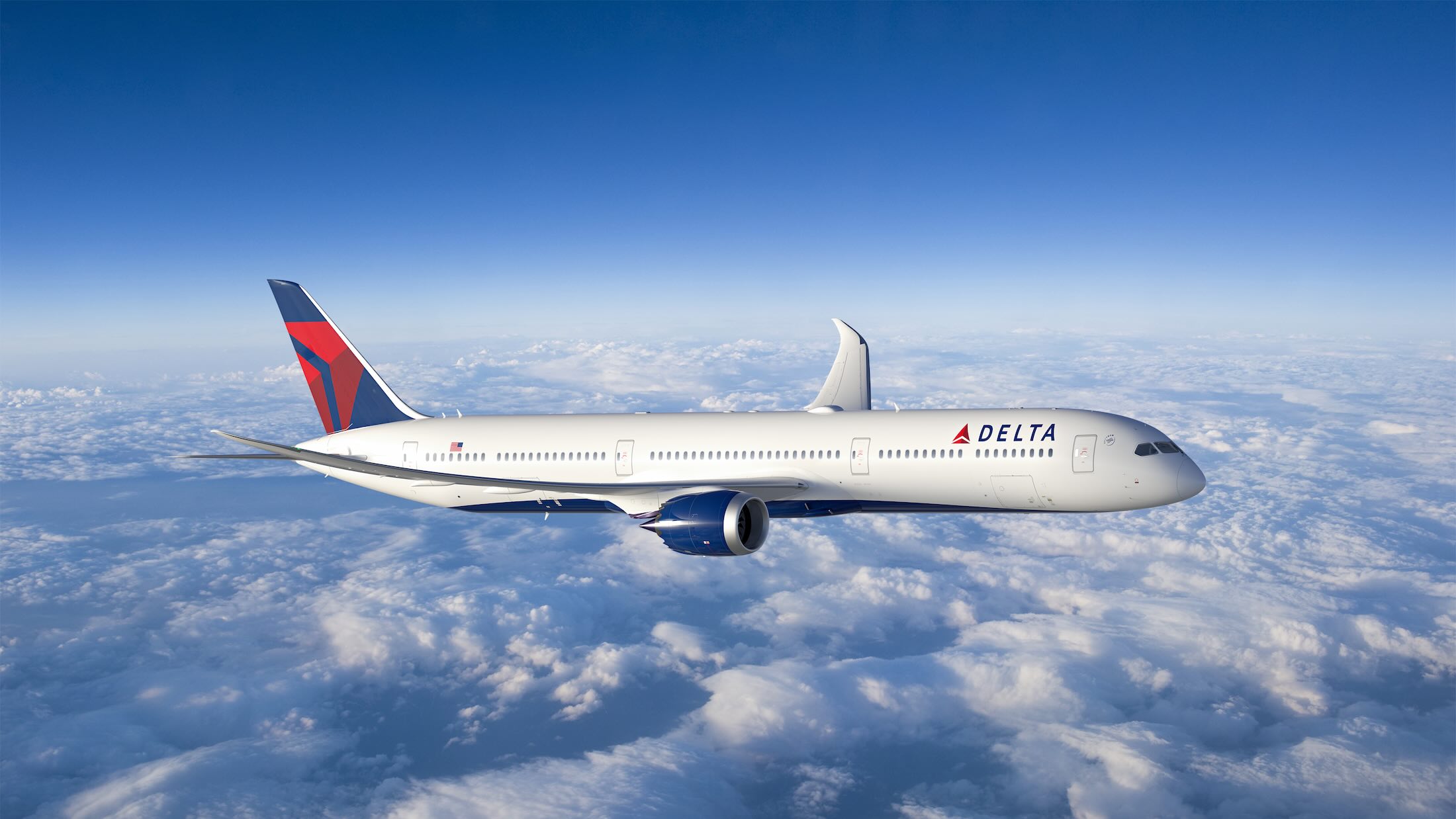
Delta Air Lines will pack more than half of its Boeing 787-10 Dreamliners with premium seating when the aircraft enter service. The Atlanta-based carrier ordered 30 of these wide-body jets earlier this year and plans to dedicate over 50% of cabin space to business, first, and premium economy classes.
This configuration reflects Delta's push toward higher-revenue operations on long-haul international routes. The 787-10, Boeing's stretched version of the Dreamliner family, typically seats around 330 passengers in a standard three-class layout. Delta's decision means roughly 165 seats or more will serve premium passengers, with the remainder split between economy and basic economy.
The strategy aligns with industry trends favoring premium cabin expansion. Airlines including United, American, and British Airways have similarly loaded their long-haul fleets with business and first-class products to capture premium international travelers willing to pay thousands more per ticket. Delta's SkyMerit cabin, along with its Delta One business suites and premium cabin enhancements, will dominate these new aircraft.
For passengers, this development signals limited economy availability on Delta's newest international aircraft. Economy fares on transatlantic and transpacific routes using the 787-10 will likely command premium prices due to reduced supply. However, premium cabin passengers gain access to newer, more efficient aircraft with superior in-flight products.
The 787-10 burns approximately 20% less fuel than comparable aircraft like the Boeing 777, translating to lower operating costs that airlines sometimes pass to customers through competitive pricing. Delta's first 787-10 deliveries are expected around 2025-2026, with full deployment spanning several years.
This configuration choice emphasizes Delta's focus on profitability over seat volume. While competitors balance premium density with economy scale, Delta prioritizes extracting maximum revenue per departure