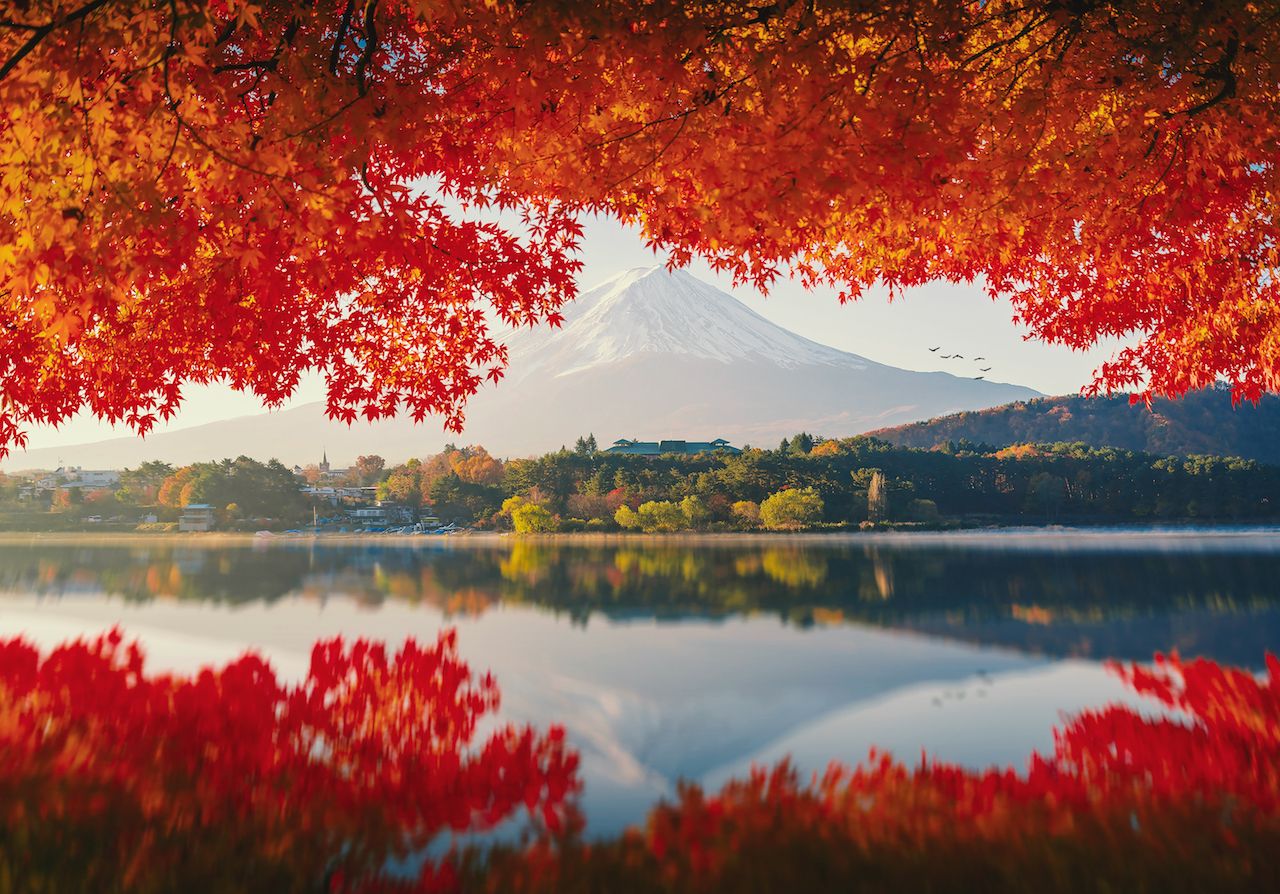
Remote destinations across the globe offer travelers genuine escape from digital noise and urban sprawl. Mount Fuji in Japan stands as one such location, where autumn hikes deliver solitude and natural beauty. The volcano draws visitors seeking respite from Tokyo's relentless pace, particularly during fall when temperatures drop and crowds thin.
Other wilderness havens prioritize disconnection deliberately. Patagonia in Argentina and Chile attracts hikers willing to trek for days without cell service or electricity. Torres del Paine National Park in Chile offers dramatic granite peaks and glacial lakes accessible only by foot or horseback. The region demands physical preparation but rewards visitors with untouched landscapes and genuine silence.
New Zealand's backcountry provides similar isolation. Multi-day treks through Fiordland National Park remove hikers from amenities entirely, with wilderness huts serving as the only shelter. Milford Track, one of the world's most celebrated walks, requires advance booking through the Department of Conservation and typically costs between NZD 1,200 to 2,000 per person for guided experiences.
Costa Rica's cloud forests offer nature immersion with slightly more comfort. Lodges like Monteverde Cloud Forest Reserve provide canopy walks and birding opportunities while maintaining basic accommodation. Nightly rates run USD 80 to 200 depending on season.
The Scottish Highlands deliver raw beauty with easier logistics. The Cairngorms wilderness allows multi-day backpacking with mountain bothies, basic shelters available free or cheaply. Winter ascents demand technical skill, while summer trekking remains accessible to most fitness levels.
These destinations serve travelers exhausted by constant connectivity. Flight costs to gateway cities like Tokyo, Buenos Aires, and Christchurch range from USD 800 to 1,500 from North America. Once arrived, budget allocations depend heavily on accommodation choices. Backc