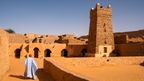
Mauritania ranks among the world's least-visited countries, receiving fewer than 100,000 international arrivals annually. The West African nation sits largely off the tourist map despite possessing remarkable cultural and natural assets that rival far busier destinations.
The country's appeal centers on its Saharan landscape and ancient settlements. Chinguetti, a medieval trading hub in central Mauritania, showcases traditional architecture and historic manuscripts dating back centuries. Ouadane, another UNESCO-listed city, served as a crucial stop along trans-Saharan trade routes and retains its original character with narrow streets and clay buildings. Tichitt represents another archaeological gem, with stone structures that have endured for generations in the desert environment.
The capital, Nouakchott, functions as the main entry point for international travelers. Most visitors arrive via connecting flights through hubs like Paris or Casablanca before traveling to Air Mauritania or charter operators serving remote settlements.
Accommodation options remain limited but authentic. Small guesthouses and desert camps operated by local guides offer immersive experiences far removed from conventional resort tourism. Costs stay remarkably affordable compared to neighboring Senegal or Morocco, with budget travelers finding basic lodging and meals for under USD 30 daily.
Travel to Mauritania requires specific preparation. Most Western nationalities need visas obtained before arrival, as on-arrival options remain restricted. Security considerations matter, particularly regarding travel to northern regions. The U.S. State Department maintains travel advisories for certain areas, though established tourist circuits in the central desert remain generally secure with proper precautions.
The sparse tourist infrastructure creates both challenges and advantages. Roads outside major routes lack modern development, necessitating 4x4 vehicles and experienced desert guides for most expeditions. This very remoteness preserves authentic cultural experiences untouched by mass tourism.
Mauritania's isolation appeals to