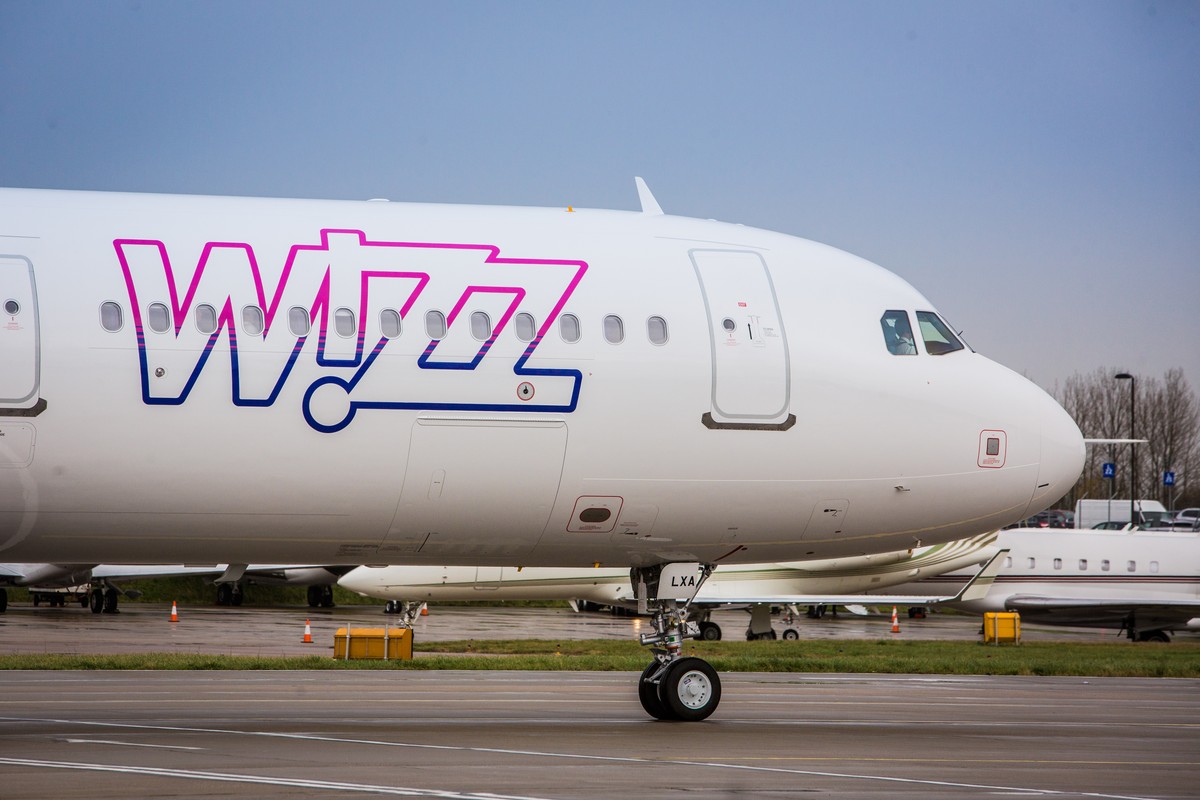
# Boeing and Wizz Air Push Sewage-Based Sustainable Aviation Fuel
Boeing and budget carrier Wizz Air are advancing a controversial but practical solution to aviation's emissions problem: sustainable aviation fuel (SAF) derived from treated sewage. The partnership signals serious momentum behind waste-to-fuel technology that converts human waste into usable jet fuel.
Wizz Air, the Hungarian low-cost airline that operates over 800 routes across Europe and beyond, has emerged as an unlikely leader in sustainable aviation adoption. The carrier already operates flights using conventional SAF blends and now backs this next-generation approach. Boeing, facing pressure to demonstrate environmental commitment after recent safety crises, invests in the technology through its research divisions.
The process works by treating sewage waste, extracting hydrocarbons, and converting them into fuel that meets strict aviation standards. Multiple producers including Fulcrum BioEnergy and LanzaJet have progressed from pilot programs to commercial-scale operations. The fuel reduces lifecycle carbon emissions by up to 80 percent compared to traditional jet fuel.
SAF typically costs 2 to 4 times more than conventional kerosene, pushing airlines toward government incentives and carbon credits to offset expenses. European Union regulations now mandate SAF blending, starting at 2 percent by 2025 and reaching 70 percent by 2050. Wizz Air benefits from EU mandates covering its primary market.
This approach solves multiple problems simultaneously. Aviation generates roughly 2 to 3 percent of global carbon emissions. Governments and airlines struggle to decarbonize without harming economic viability. Using waste streams that already exist eliminates the land-use concerns tied to crop-based biofuels.
Travelers likely won't notice the difference. SAF blends work in existing engines without modification. The transition remains gradual