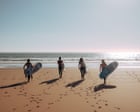
# Learning to Surf Away Fear in Morocco
A travel journalist confronts a decades-long terror of the ocean by enrolling in a surfing retreat in Morocco. The fear began after a brutal wipeout in Biarritz, France nearly 20 years ago that left the writer's chin scraped raw against the seabed. Since then, rational concerns about riptides, hidden rocks, and sharks have compounded into a deeper psychological barrier shaped partly by years of journalism focused on worst-case scenarios.
Surfing retreats have emerged as unexpected wellness destinations, combining physical skill-building with therapeutic benefits. Morocco's Atlantic coast, particularly breaks near Essaouira and Taghazout, attracts beginners and experienced surfers alike. These regions offer affordable accommodations, consistent swells, and patient instructors trained to work with anxious students.
The therapeutic angle here matters. Learning to catch waves requires absolute presence. The repetitive cycle of paddling out, waiting for the right swell, and committing to the ride occupies the mind completely. Instructors at Moroccan surf camps emphasize gradual progression and positive reinforcement, building confidence incrementally rather than forcing confrontation with fear.
Morocco's surf tourism has boomed over the past decade. Operators like Surfen Morocco and various guesthouses in coastal towns now cater specifically to beginners and those managing water anxiety. A week-long retreat typically costs between $800 and $1,500, including accommodation, meals, and daily lessons. Flights from major European hubs to Marrakech or Casablanca run $200 to $400, making the entire trip accessible for budget-conscious travelers.
The broader travel trend reflects growing demand for transformative experiences over passive sightseeing. Wellness retreats combining adventure with personal growth appeal especially to professionals processing stress and trauma. Morocco offers this