Delta Air Lines cancelled flight DL295 from Tokyo Narita to Minneapolis-St. Paul after passengers endured 5.5 hours on the tarmac due to a mechanical issue. The late-night cancellation at 11 p.m. left stranded travelers scrambling for accommodation in one of Asia's priciest cities.
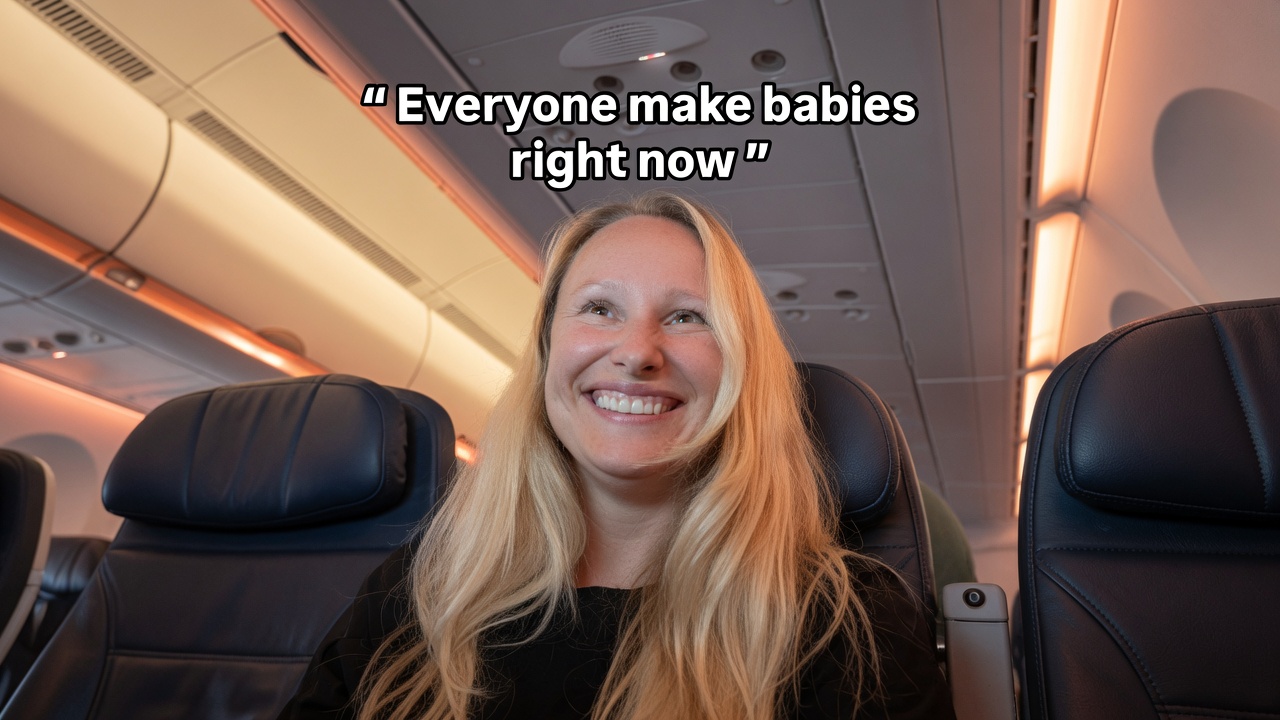
The airline's hotel allocation created chaos. Delta prioritized passengers with medical emergencies and families traveling with infants, leaving other travelers without guaranteed lodging. The shortage sparked dark humor among frustrated passengers, who joked they needed to "make babies right now" to secure a hotel room from the carrier.
This incident highlights operational breakdowns many travelers face when mechanical delays trigger cancellations. Passengers boarded the aircraft expecting departure, only to waste hours before learning they would remain in Tokyo overnight. Delta's tiered accommodation system, while attempting to address medical and family vulnerabilities, left the majority of passengers to book their own hotels in central Tokyo, where nightly rates exceed $150 for budget options and climb well above $300 for mid-range properties.
The cancellation exposes gaps in Delta's contingency planning. Long tarmac delays followed by cancellations create compounding costs for travelers. Beyond hotels, passengers faced meals, ground transportation, and work disruptions. While U.S. Department of Transportation regulations cap domestic tarmac delays at three hours before airlines must allow deplaning, international flights lack comparable protections.
For travelers booking transpacific routes, this serves as a reminder to purchase travel insurance covering mechanical delays and cancellations. Trip protection plans typically reimburse hotel costs, meals, and transportation when airlines cancel flights, costs Delta declined to cover universally here.
Delta has not publicly disclosed compensation amounts or clarified why hotel availability ran short despite advance notice of the mechanical issue. The carrier's policy of prioritizing medical cases and families with babies reflects