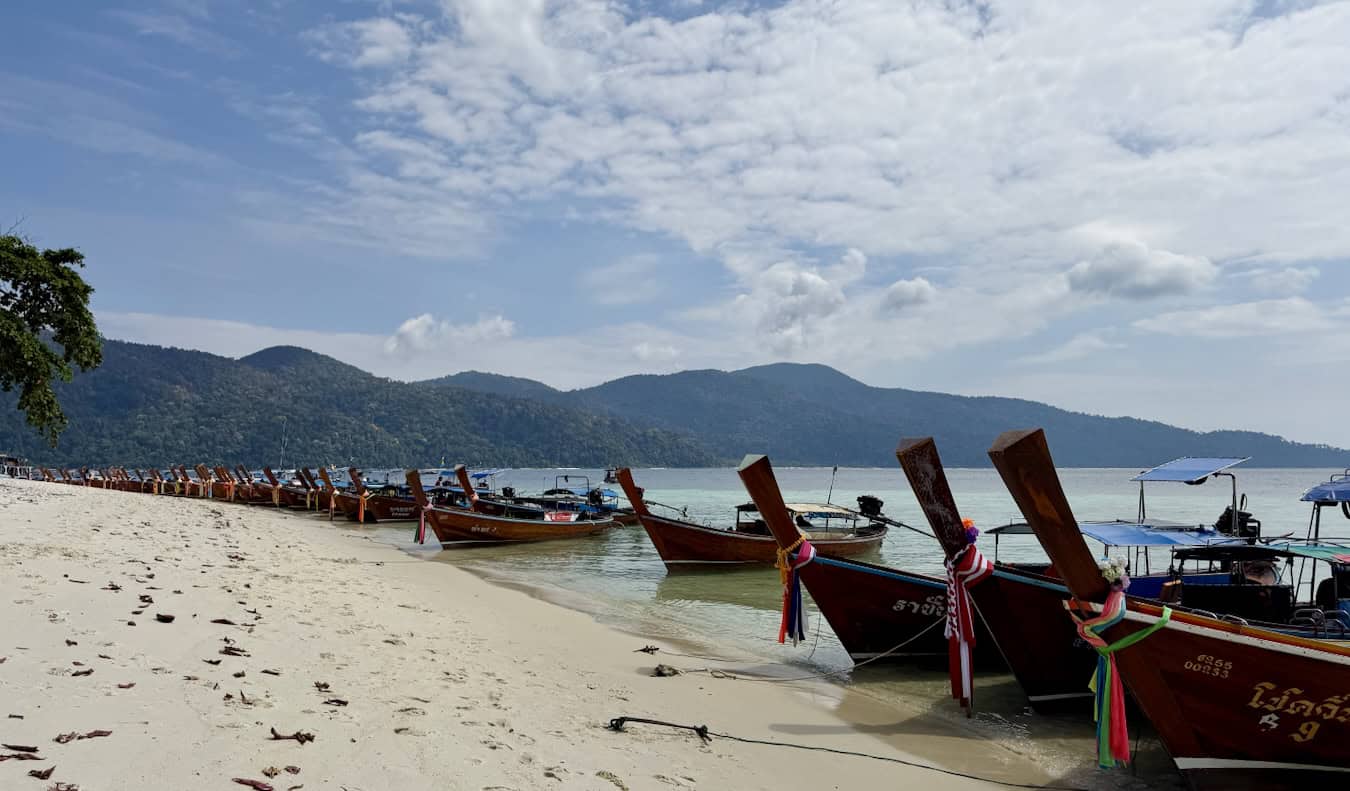
Ko Lipe has transformed dramatically over two decades, shifting from a remote paradise into an overcrowded tourist destination that no longer justifies a visit. The Thai island, located in Satun Province near the Malaysian border, once operated with just a few hours of daily electricity and offered basic beachfront bungalows to adventurous travelers willing to seek out genuine isolation.
The island's infrastructure has exploded since 2006. Modern resorts now dominate the shoreline where humble accommodations once stood. Day-trippers flood the beaches by the thousands, arriving via speedboat tours from nearby Phuket and Krabi. The island's carrying capacity has been shattered, leaving visitors fighting for space on once-pristine sand.
Water scarcity plagues the island during peak season. Development has outpaced basic utilities, creating shortages that affect both tourists and local services. Prices have skyrocketed without corresponding improvements in quality or experience. A beach that once offered solitude now delivers crowded chaos.
The experience that made Ko Lipe legendary has vanished entirely. Travelers seeking authentic, undeveloped Thai island life discover expensive mediocrity instead. Local businesses cater almost exclusively to tour groups rather than individual explorers. The island's soul deteriorated as developer interests superseded preservation.
For budget travelers and those craving genuine discovery, alternatives exist throughout southern Thailand. Islands like Ko Kood, Ko Chang, and lesser-known spots in Phang Nga Province still offer authentic experiences without the overwhelming tourist infrastructure that defines Ko Lipe today.
This isn't a romantic "back in my day" complaint. The data is clear. Infrastructure collapse, astronomical price increases, environmental stress from overcrowding, and the complete erosion of what once made the destination special combine to create a destination better avoided. Ko Lipe serves as a cautionary tale about overtourism