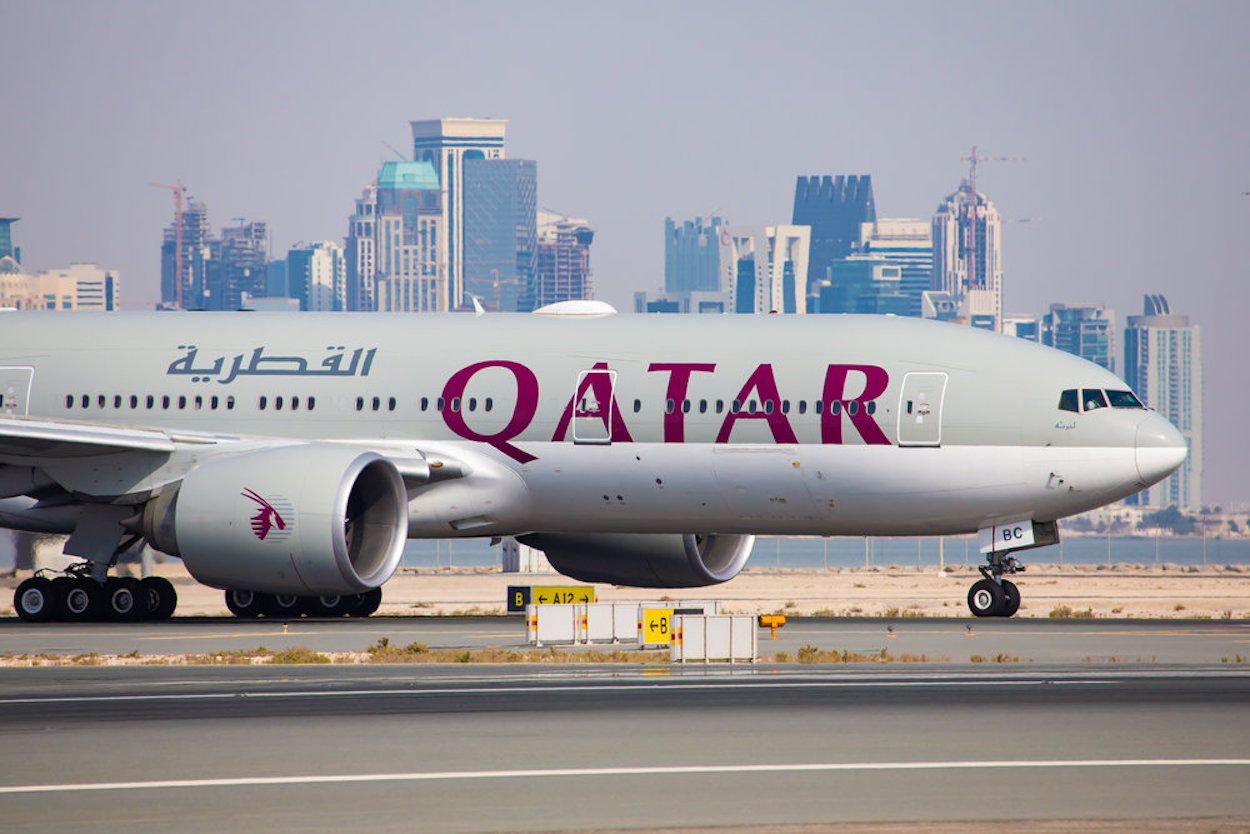
Qatar Airways launched direct service from Doha to Caracas this month, marking the first scheduled commercial flight connecting the Gulf hub to Venezuela's capital in years. The route restores air connectivity to a nation under comprehensive U.S. sanctions, signaling shifting geopolitical alignments in aviation.
The new service operates twice weekly on Boeing 787 Dreamliners, offering business and economy cabins. Doha serves as a natural hub for this connection, positioning Qatar Airways as a bridge between the Middle East and Latin America while sidestepping American restrictions that have isolated Venezuela's aviation sector since the Trump administration tightened sanctions in 2017.
This move reflects broader trends in aviation politics. As U.S. sanctions pressure mounts on Venezuela under Nicolás Maduro's government, alternative carriers from outside Western alliances find commercial opportunity. Qatar Airways, backed by the Qatari government and free from direct American ownership stakes, operates without the constraints binding U.S. carriers or European airlines dependent on American technology and finance.
For travelers, the route offers practical benefits. Passengers from the Middle East, Africa, and South Asia can now reach Caracas without routing through Caribbean hubs or flying through U.S. airspace. Venezuelan diaspora communities gain direct access home. Doha's growing reputation as a passenger hub strengthens further, especially for routes American carriers cannot serve.
The timing matters. Venezuela's aviation infrastructure remains degraded, with commercial traffic down sharply since sanctions. State airline Conviasa operates limited regional service. Qatar Airways' entry suggests confidence in eventual normalization or a calculation that U.S. policy leverage remains incomplete.
Washington previously worked to limit Venezuela's air connectivity, sanctioning its national airline and pressuring third parties. Qatar's move shows those efforts have clear limits. Middle Eastern carriers answer to their governments first, not American policy preferences. Gulf aviation continues expanding into