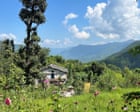
Village Ways operates a pioneering low-impact tourism model across remote Himalayan communities in Uttarakhand's Kumaon region, breathing economic life into settlements like Kathdhara village while preserving traditional ways of life. Over 21 years, the operator has refined tours that keep visitor numbers small and benefits concentrated among locals.
Kathdhara, nestled within Binsar Wildlife Sanctuary, houses just 22 families. The village exemplifies the kind of authentic, untouched destination that increasingly appeals to travelers seeking alternatives to mass tourism. Visitors encounter terraced vegetable fields, traditional architecture painted in jewel tones, and daily rhythms untouched by commercialism.
This model addresses a critical problem facing rural mountain communities across India. Young people migrate to cities for work, leaving villages economically vulnerable and culturally hollowed out. Village Ways reverses this trend by creating direct employment and income opportunities for residents who become guides, homestay operators, and artisans serving visiting travelers.
The tourism economics work simply. Visitors pay for guided walks, meals prepared by village women, and stays in family-run guesthouses. Revenue flows directly to households rather than to external resort chains. This dispersal prevents the environmental damage and cultural degradation that concentrated resort development typically creates.
The Kumaon region's remoteness protects it from overtourism plaguing other Himalayan destinations. Access requires effort. Long drives from major cities and limited accommodation capacity naturally cap visitor numbers, preserving the pristine landscapes and wildlife that define the area's appeal.
For travelers, Village Ways tours offer genuine encounters impossible at standard hotels. Guests walk alongside locals, eat meals cooked from local ingredients, and sleep in homes where families have lived for generations. Costs typically run moderate for India, making such experiences accessible beyond luxury travelers.
This model demonstrates that tourism can fund conservation. Protecting wildlife habitat