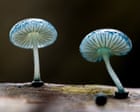
Australia's largest cool temperate rainforest in north-west Tasmania becomes an unexpected classroom for fungi enthusiasts. Travel journalist Alexis Buxton-Collins recently completed a three-day mycology workshop in Takayna/Tarkine, discovering why mushrooms deserve attention alongside the region's more famous residents.
The Tarkine holds legendary status among wilderness travelers. Giant freshwater crayfish stretch nearly a meter long beneath 2,000-year-old Huon pines. Rumors persist that thylacines, extinct on mainland Australia for decades, still inhabit the dense Gondwanan rainforest. For 65 million years, this landscape protected extraordinary creatures. Yet fungi may be older and equally remarkable.
The three-day workshop reveals what many travelers overlook. Fungi form the third kingdom of life, operating beneath the forest floor in ways that sustain entire ecosystems. The Tarkine's cool temperate conditions create ideal mushroom habitat, with species diversity that rivals its famous megafauna.
This type of specialized nature tour reflects growing traveler interest in deep ecosystem learning. Rather than passive sightseeing, workshops combining expert guidance with hands-on field work appeal to educated travelers seeking authentic engagement with landscapes. The Tarkine's remote location in Tasmania's north-west requires planning and commitment, but rewards visitors with access to some of Earth's oldest rainforest types.
For travelers considering Tasmania visits, mycology tours offer an alternative to standard hiking and wildlife spotting. The experience combines genuine scientific education with adventure travel, appealing to naturalists and curious explorers alike. Tasmania's cool climate and protected rainforest zones host numerous fungi species found nowhere else on Earth. Local operators increasingly recognize this niche market, offering guided workshops that transform casual visitors into informed nature observers.
The Tarkine's protected status ensures pristine conditions for these specialized