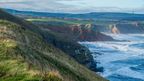
# Walk the Scottish Coast That Changed Science
Scotland has opened a new Deep Time trail that traces geological history across its dramatic coastline. The route showcases rock formations spanning billions of years, offering walkers a chance to literally step through Earth's evolutionary timeline.
The trail winds through sites where pioneering geologist James Hutton made his breakthrough observations in the 18th century. His work fundamentally altered how scientists understand planetary age and change. The Scottish coast provides a natural classroom where layered rocks tell stories of ancient seas, volcanic eruptions, and continental shifts.
Walkers encounter formations dating back approximately 3 billion years. The route passes through areas near Edinburgh and extends along the Firth of Forth. Key stops include Siccar Point, where Hutton himself studied unconformities, those critical junctions where younger rocks rest atop much older layers.
The trail attracts geology enthusiasts and casual hikers alike. No specialized equipment is required for most sections, though coastal conditions demand appropriate footwear and weather-resistant clothing. The walks range from short coastal strolls to multi-hour expeditions depending on which segments visitors choose.
Local operators have developed guided tours interpreting the geological features. These guides explain rock types, formation processes, and the science that emerged from Scottish coastal observations. The experience bridges natural history with outdoor recreation.
Scotland positions itself as a leader in geotourism. The Deep Time trail complements existing hiking infrastructure across the Highlands and Islands. Tourism boards estimate the route will attract international visitors seeking educational outdoor experiences.
The geological significance extends beyond history. Understanding these ancient rocks helps modern scientists study climate change patterns and natural resource formation. Visitors learn how plate tectonics shaped Britain's landscape.
Access points exist throughout the trail system. Parking areas serve most sections. Nearby villages offer accommodation ranging from budget guesthouses to country hotels. The trail operates year-round, though