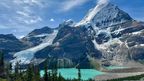
# Canada's Iconic Alpine Trail Reopens After Major Restoration
Canada's most celebrated hiking route has reopened following extensive restoration work, welcoming trekkers back to some of North America's most dramatic alpine landscapes. The trail, a bucket-list destination for serious hikers, offers sweeping mountain vistas, pristine wilderness, and the kind of backcountry experience that defines Canadian adventure travel.
The reopening addresses years of wear and environmental damage from heavy foot traffic. Parks Canada implemented sustainable trail upgrades including improved drainage systems, reinforced switchbacks, and restored alpine meadows to handle the thousands of annual hikers while protecting fragile ecosystems. These upgrades ensure the route remains accessible without degradation that would eventually close it again.
The hike crosses some of the country's most photogenic terrain. Hikers encounter crystalline alpine lakes, ancient glacier valleys, and ridgelines with 360-degree views across multiple mountain ranges. The trail typically takes 4 to 6 days to complete, making it a serious undertaking rather than a casual day hike.
Access remains managed through a permit system that limits daily hikers and distributes pressure across the season. This approach balances tourism demand with conservation. The cost sits in the mid-range for premium Canadian backcountry experiences. Nearby towns offer outfitter services, guided hikes, and accommodation options ranging from budget hostels to luxury mountain lodges.
The reopening reflects a broader trend in adventure tourism. Operators worldwide face the challenge of managing overtourism in sensitive landscapes. Canada's approach, combining capacity controls with infrastructure improvements, offers a model for other popular routes globally.
Hikers should book permits well in advance, as spots fill quickly during peak summer months. Late August through early September offers the best weather window with lower crowds than July. The trail remains strenuous and requires solid fitness and navigation skills, though