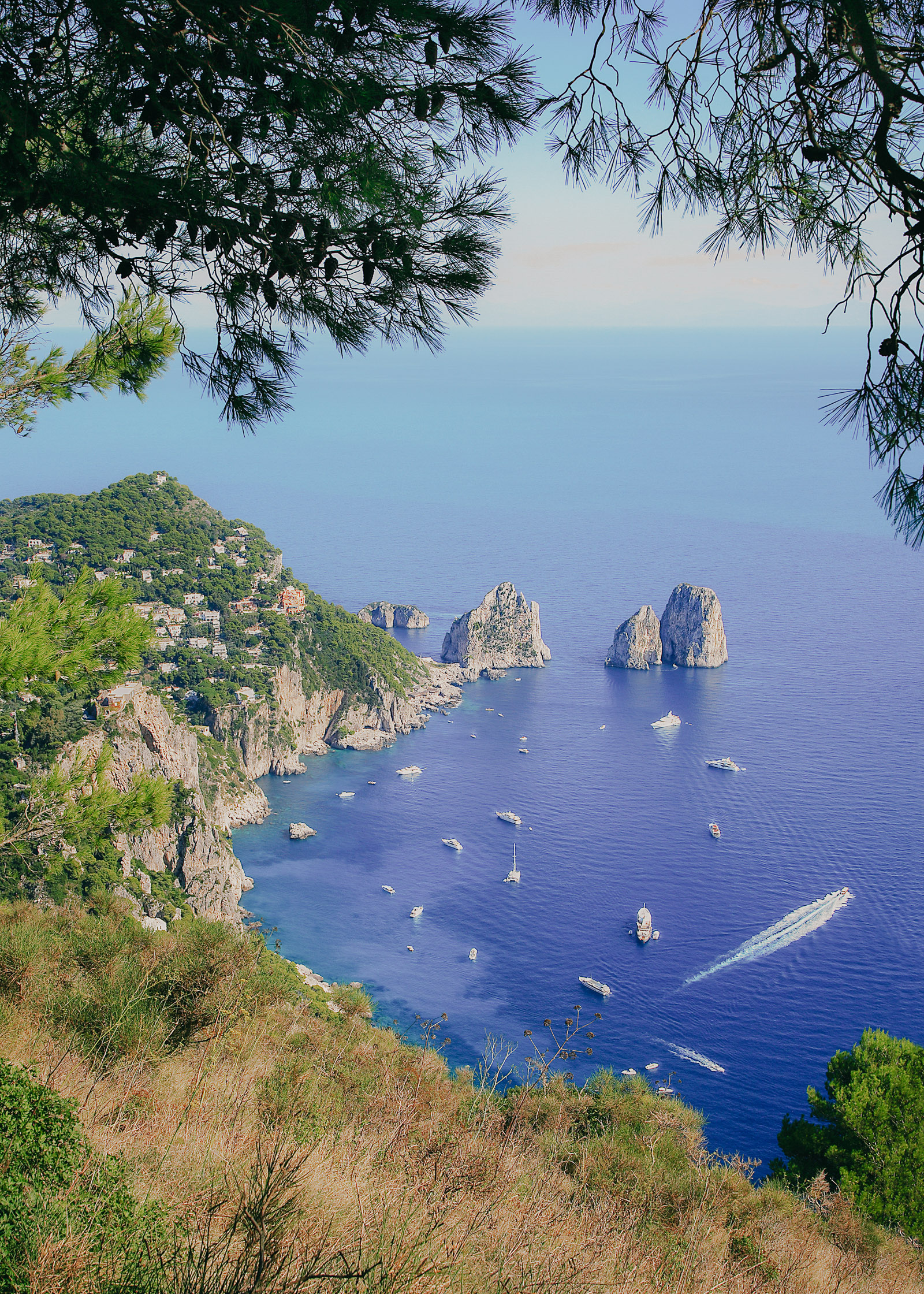
Capri's reputation as a jewel of the Campania region attracts thousands of visitors daily, overwhelming the island's narrow streets and iconic attractions. But travelers can escape the masses with strategic timing and lesser-known experiences.
Arriving early morning or visiting during shoulder seasons, April through May or September through October, dramatically reduces crowds at major sites like the Blue Grotto and Villa Jovis. The Blue Grotto, accessible by boat from Marina Grande, remains breathtaking even with moderate visitor numbers, though booking private boat tours from independent operators beats joining large group excursions.
Beyond the famous grottos, Capri offers quieter pursuits. The Faraglioni rock formations provide stunning views from Villa Jovis, the sprawling Roman villa ruins perched atop Monte Tiberio. Hiking trails connecting Anacapri to Capri town reveal panoramic vistas without tourist infrastructure. Restaurants tucked away from Piazzetta square serve authentic Campania cuisine at reasonable prices, typically 15-25 euros for pasta dishes.
Villa San Michele in Anacapri deserves a full afternoon. This Swedish physician's former residence features Mediterranean gardens and museum collections far fewer travelers explore compared to the crowded main town. The chairlift ascending Monte Solaro offers 360-degree island views and operates until sunset.
Swimming at natural pools near Punta Carena lighthouse beats battling crowds at Marina Piccola beaches. Local water taxis charge 15-20 euros per person for direct access to secluded coves around the island's perimeter.
Flying into Naples on budget carriers like Ryanair or EasyJet, then taking the 50-minute hydrofoil ferry operated by Tirrenia costs roughly 30 euros each way. Staying in Anacapri rather than central Capri town offers quieter