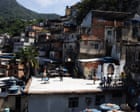
Viral videos have transformed a Rio de Janeiro favela rooftop into one of Brazil's hottest tourist attractions. The "Gateway to Heaven" sits in Rocinha, the city's largest shantytown, where visitors now queue for hours to capture their own social media moment against the backdrop of Rio's iconic mountains and cityscape.
The phenomenon reflects a broader shift in travel behavior. Tourists increasingly chase Instagram-worthy locations rather than traditional landmarks, and what starts as a viral moment quickly becomes a commercial opportunity. Tour operators now run regular motorbike shuttles from central Rio to the favela rooftop, capitalizing on the demand.
Paul Boswell, a 58-year-old builder from Basildon visiting Brazil for the first time, typified the new visitor profile. He and his family made the rooftop one of their first Rio stops, viewing it as a bucket-list experience. "It's one of those lifetime things," visitors repeatedly state when describing the photo opportunity.
This trend raises complex questions about favela tourism. While it generates income for local guides and operators, critics worry about exploitation and the commodification of poverty. Rio's favelas historically attracted tourists seeking authentic cultural experiences, but the Gateway to Heaven represents something different. It's purely a backdrop for global social media sharing.
The economics are straightforward. A motorbike ride to the rooftop costs far less than traditional Rio tours to Christ the Redeemer or Sugarloaf Mountain, making it accessible to budget travelers. Yet it delivers the same Instagram return that wealthier attractions promise.
This shift matters for travelers planning Rio trips. The favela rooftop now competes for time and money with established attractions. Hotels increasingly mention it in marketing materials. Tour booking platforms have expanded favela tourism options dramatically over the past two years.
For those visiting Rio, reaching the Gateway to Heaven requires navigating narrow favela