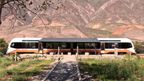
Argentina launched its first solar-powered train in the northwestern province of Jujuy, connecting travelers to ancient cultural landscapes and archaeological sites. The train operates on a historic route that traverses the UNESCO-listed Serranías del Hornocal, known locally as the "14 Colors Mountain" for its mineral-rich, multicolored peaks.
The solar-powered locomotives eliminate diesel emissions while maintaining the charm of vintage rail travel. Passengers experience a full-day journey through remote Andean terrain, passing through indigenous communities and colonial-era towns like Purmamarca, home to the iconic Cerro de los Siete Colores (Hill of Seven Colors). The route connects Jujuy's capital city with smaller mountain villages, making it accessible for day trips or extended regional exploration.
This development reflects broader Latin American tourism trends toward sustainable travel experiences. Travelers increasingly seek eco-conscious alternatives that support local economies without heavy environmental impact. The solar train project demonstrates how heritage infrastructure can adapt to modern sustainability demands while preserving cultural authenticity.
Jujuy province attracts roughly 500,000 annual visitors seeking archaeological wonders, traditional textiles, and high-altitude landscapes. The solar train positions itself as a centerpiece experience, competing with conventional coach tours and self-drive options. Ticket prices remain modest compared to other experiential tourism in Argentina, making it accessible for budget-conscious travelers.
The project involved partnerships with local communities who benefit directly through employment and increased commercial activity in small towns along the route. Indigenous guides share historical context and cultural knowledge, enriching visitor experiences beyond standard sightseeing.
For travelers planning trips to northwestern Argentina, this solar train represents a practical solution for accessing remote destinations while reducing personal carbon footprints. The journey works well for those with two to three days available in the region, fitting neatly between visits to Salta city and Bolivia's border