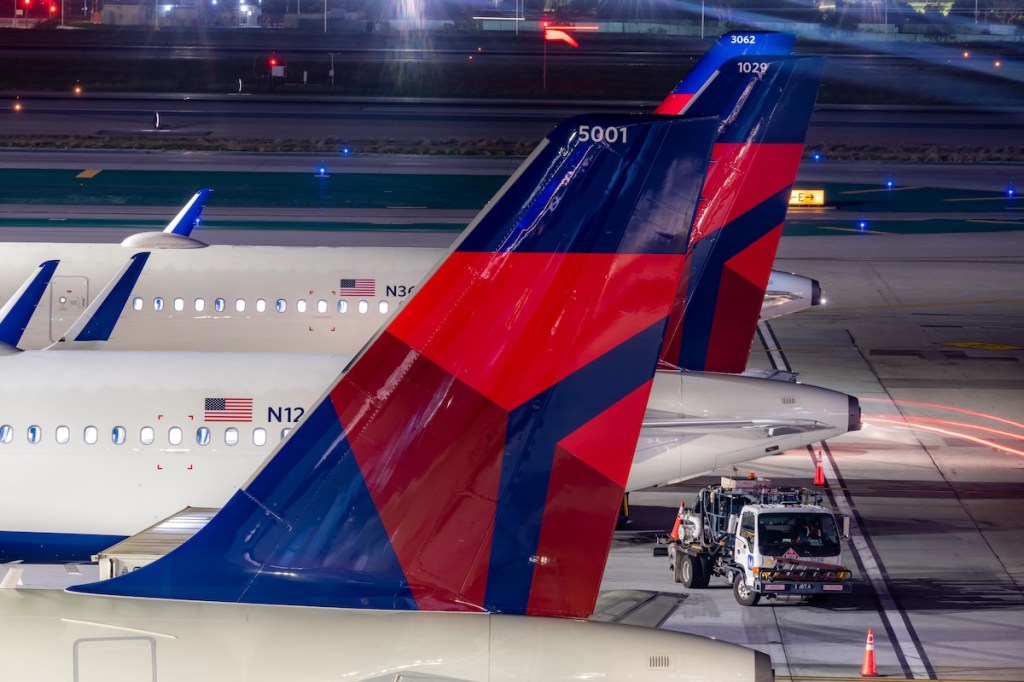
Delta Air Lines launches a new nonstop service from Los Angeles International Airport to Manila's Ninoy Aquino International Airport, intensifying competition for West Coast-Asia routes. The carrier positions LAX as a hub for its Asian expansion strategy, directly challenging United Airlines and American Airlines for dominance on the lucrative Pacific corridor.
This route responds to surging demand for Philippines travel. Manila serves as a gateway to Southeast Asia, attracting Filipino diaspora travelers, business professionals, and tourists exploring the region's beaches and cultural sites. Delta's move signals confidence in LAX's recovery post-pandemic and its potential as a premier West Coast gateway.
The airline industry has seen explosive competition on transpacific routes. United operates extensive service from San Francisco and Los Angeles. American Airlines has similarly invested in West Coast-Asia connectivity. Delta's new Manila route represents a direct counter-offensive, allowing the carrier to compete for passengers originating across California and the Southwest.
For travelers, this expansion creates more options and potentially lower fares through increased competition. Previously, passengers flying from LAX to Manila often connected through hubs like San Francisco or Dallas. The nonstop flight saves roughly four to five hours versus connecting itineraries, making the journey more attractive for business and leisure travelers.
The route also reflects broader travel trends. Asian markets remain among the fastest-growing for US carriers. The Philippines specifically attracts growing tourism interest, with travelers seeking affordable beach destinations, diving spots, and colonial heritage sites. The Filipino-American community continues driving strong demand for family visits and cultural tourism.
Delta's West Coast focus represents a strategic shift. The carrier has historically emphasized Atlanta's Hartsfield-Jackson hub. Developing LAX as a secondary international gateway allows Delta to capture more traffic from California's massive population and compete where United maintains strong positions.
Industry observers expect this competition to benefit travelers through improved schedules, better aircraft deployments, and competitive pricing