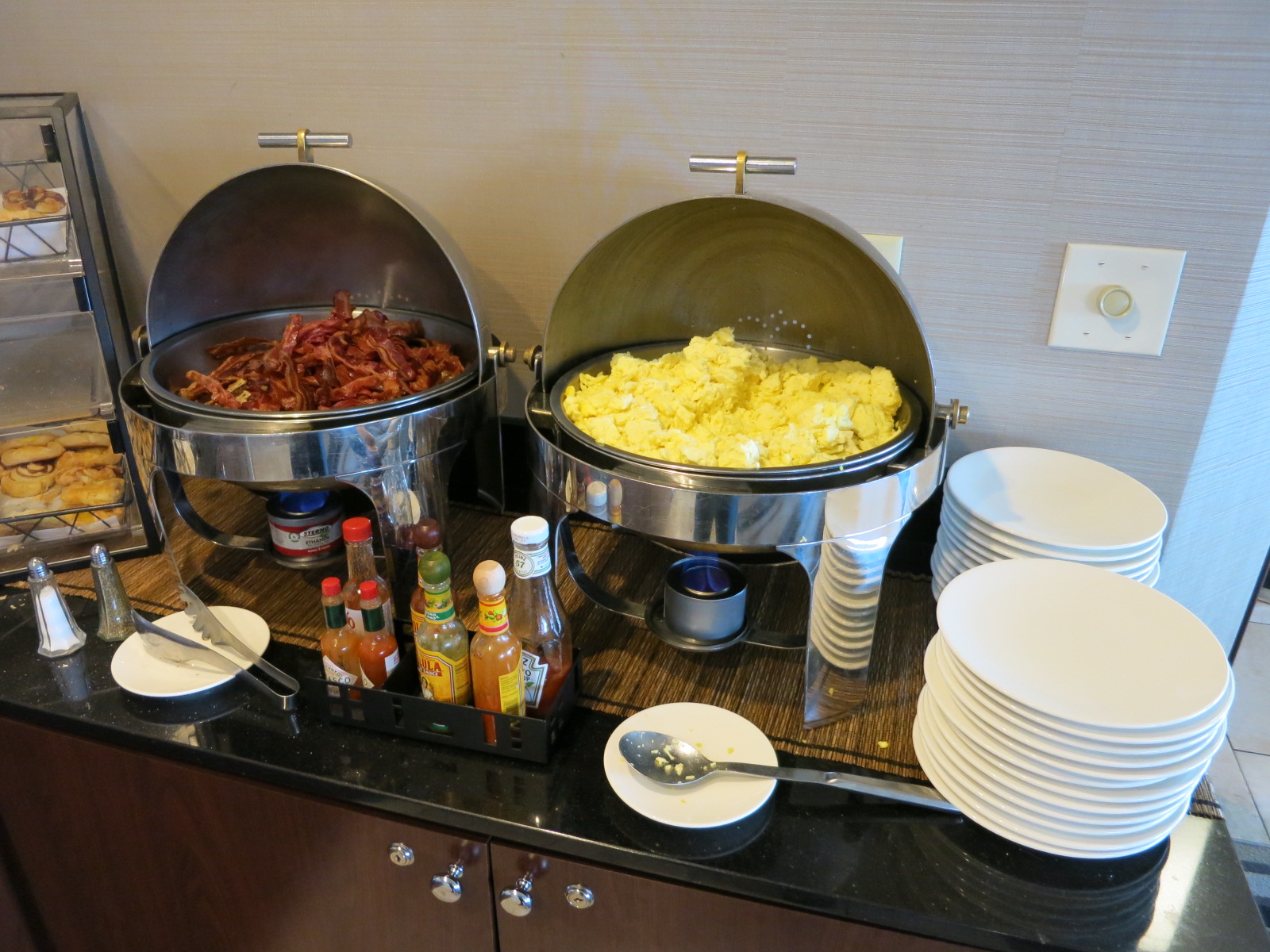
A hotel worker's viral video reveals the unglamorous reality behind complimentary breakfast offerings at budget and midrange properties. The process involves microwaving a sealed bag of pre-blended liquid eggs, then dumping the cooked slab into a buffet pan and breaking it apart with a wire masher for guests.
The demonstration exposes standard operating procedures at chains offering free breakfast as a competitive amenity. Hotels use this batch-cooking method to minimize labor costs and food waste while serving hundreds of guests during morning rushes. The yellow liquid transforms into a rubbery, uniform product designed for efficiency rather than culinary appeal.
Traveler reactions split sharply. Some guests express revulsion at the industrial-food-service reality underlying their "free" morning meal. Others adopt a pragmatic stance: complimentary breakfast adds perceived value to their room rate, and the eggs, however they're prepared, satisfy basic hunger.
This trend reflects broader hotel economics. Budget chains from La Quinta to Motel 6 and economy segments of chains like Best Western compete fiercely on amenities rather than room quality. Free breakfast justifies slightly higher nightly rates while reducing guest complaints about thin pillows or aging carpets. A $15 buffet spread costs hotels far less than it appears to guests.
The reality extends beyond eggs. Most limited-service properties source pre-made pancakes, mass-produced sausage patties, and mass-produced biscuits from food-service distributors. The scrambled egg liquid comes from suppliers like Michael Foods, which sells industrial egg products to hospitality operators nationwide.
For travelers, understanding breakfast mechanics shouldn't trigger alarm. The eggs are pasteurized, safe, and no different from products used in restaurants and cafeterias. The difference lies in expectations. Luxury hotels employ cooks preparing fresh omelets. Budget properties prioritize turnover and labor efficiency.