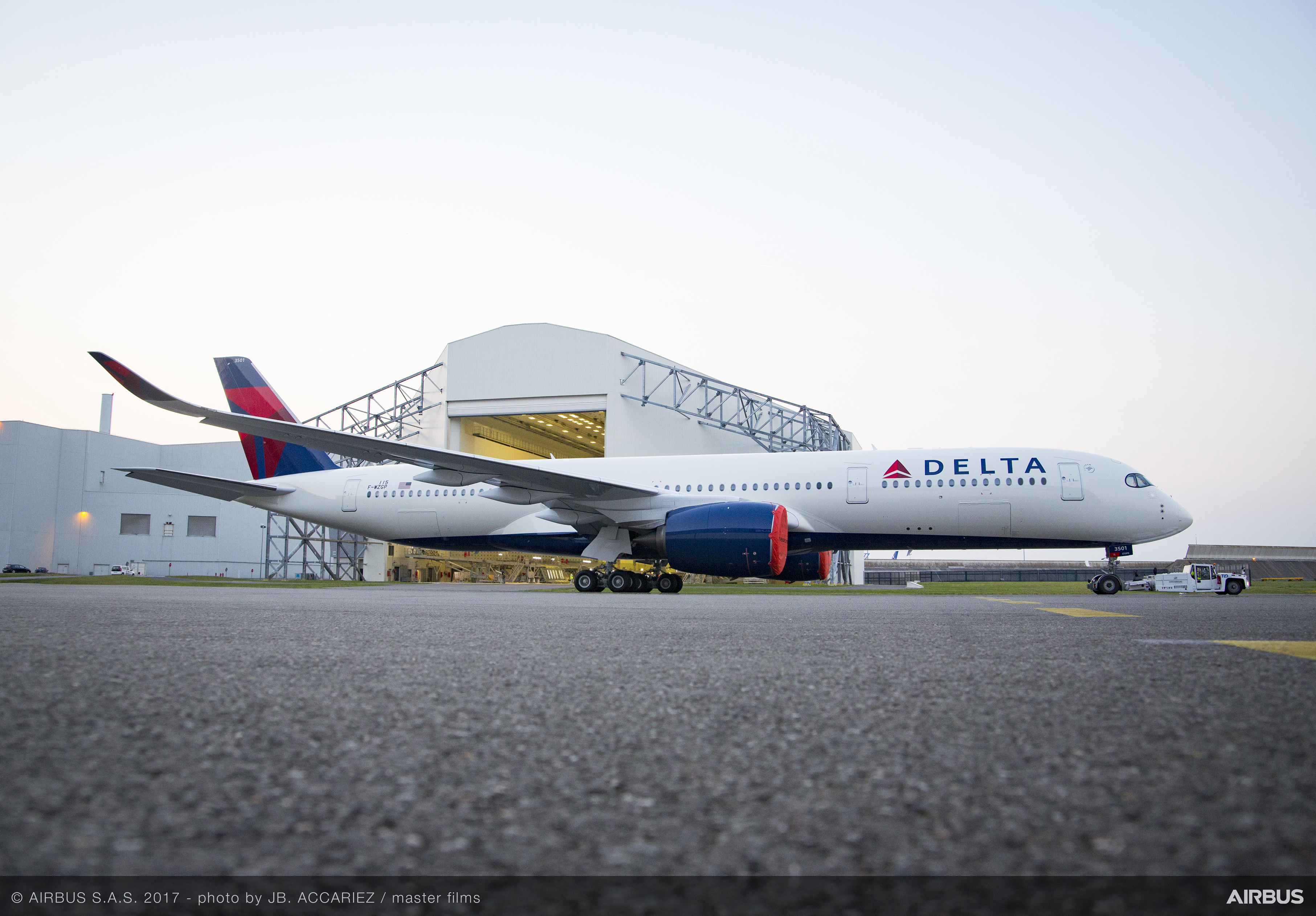
Delta Air Lines plans to launch daily nonstop service between Los Angeles International Airport and Ninoy Aquino International Airport in Manila, according to leaked flight schedules. The route will operate with Delta's widebody aircraft, capitalizing on growing demand for direct transpacific connections to the Philippines.
The Manila route represents Delta's expansion strategy in Southeast Asia, a region experiencing robust tourism and business travel growth. Los Angeles serves as the primary gateway for Filipino diaspora communities and corporate travelers heading to the Philippines. Delta currently operates extensive service from LAX to Asian hubs like Tokyo, Seoul, and Shanghai, but Manila fills a critical gap in their Pacific network.
The leaked schedules reveal a unique operational advantage. The westbound flight from Los Angeles arrives in Manila before its scheduled departure time, thanks to crossing the International Date Line. This creates the sort of schedule efficiency that major carriers leverage on long-haul Pacific routes. The eastbound return flight follows standard overnight routing.
Daily frequency indicates Delta's confidence in the market's profitability. Competing carriers including United Airlines and Philippine Airlines already operate Los Angeles-Manila service, but daily nonstop flights from Delta will intensify competition and likely improve scheduling options for travelers. Fares could face downward pressure as capacity increases, benefiting budget-conscious passengers booking economy cabins.
The route serves multiple travel segments. Filipino-Americans represent the second-largest Asian diaspora in the United States, with substantial populations in Southern California visiting family. Business travelers connecting to Delta's Manila hub can reach secondary Philippine cities and regional markets throughout Southeast Asia. Tourism demand from Americans exploring Boracay, Palawan, and other Philippine destinations continues rising post-pandemic.
For Delta, the route strengthens its position as a transpacific carrier and addresses capacity constraints on existing Pacific flights from the West Coast. The airline has invested heavily in newer widebody aircraft like the Boeing 787 Dreamliner