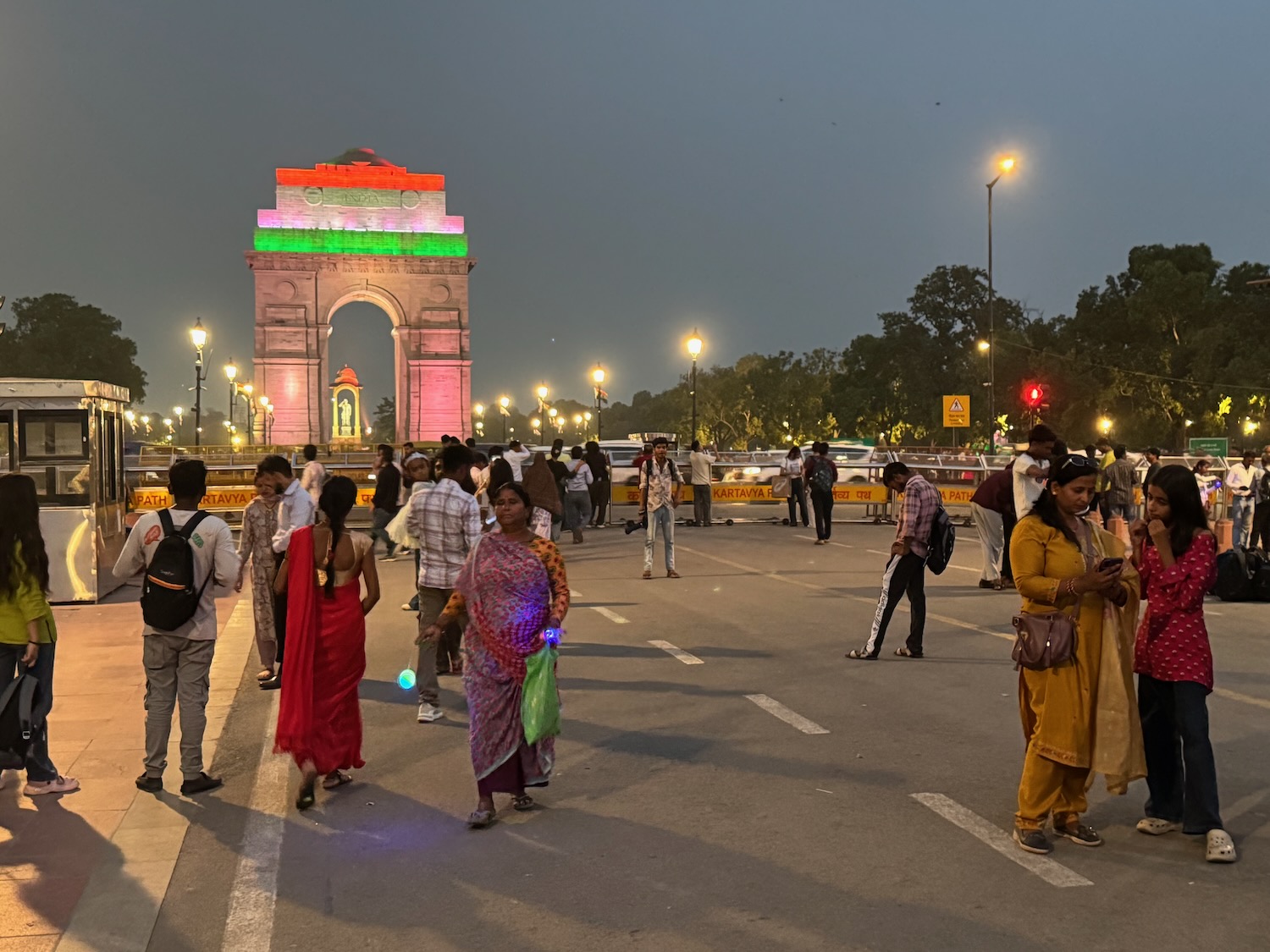
Delhi's iconic India Gate attracts millions of visitors annually, but tourists face an unexpected hassle at this beloved monument. Aggressive street photographers operate around the 42-meter limestone arch, pressuring visitors into paid photo sessions without clear upfront agreements on pricing.
The India Gate, a Sir Edwin Lutyens-designed memorial honoring Indian soldiers who died in World War I, sits in the heart of New Delhi and draws crowds daily. Its Mughal Gardens setting and historical significance make it a must-visit stop for most India tours. Yet the persistent photographers create a frustrating experience that travel guides now flag as a traveller safety concern.
These photographers employ tactics ranging from pushy solicitation to taking unsolicited pictures, then demanding payment afterward. Visitors report photographers following them through the gardens, inserting themselves into family photos, then presenting inflated bills when tourists attempt to leave. The lack of transparency about costs sets a trap for unsuspecting travellers unfamiliar with Delhi's street commerce customs.
Travel advisors recommend several protective strategies. Decline photographers immediately and firmly. Say "no" without explanation rather than engaging in negotiation, which photographers interpret as willingness. Avoid eye contact and continue walking. If a photographer does take your picture without permission, politely but decisively refuse payment. Indian authorities rarely enforce tourist protection in these situations, so prevention remains your best defence.
This hassle reflects broader Delhi tourism challenges. While the city offers exceptional experiences from the Red Fort to Chandni Chowk's food markets, aggressive street commerce operates throughout major tourist zones. Budget hotels in Paharganj neighbourhood and mid-range properties near Connaught Place serve travellers seeking centralized access to attractions, but guidebooks increasingly warn guests about these particular photo schemes.
Plan India Gate visits for early mornings when photographer presence diminishes. Alternatively, hire licensed tour operators who navigate these dynamics and protect visitors from