Remote travel experiences have surged as travellers seek refuge from digital overload and urban stress. Destinations that strip away modern conveniences top the wishlist for visitors pursuing authentic nature reconnection.
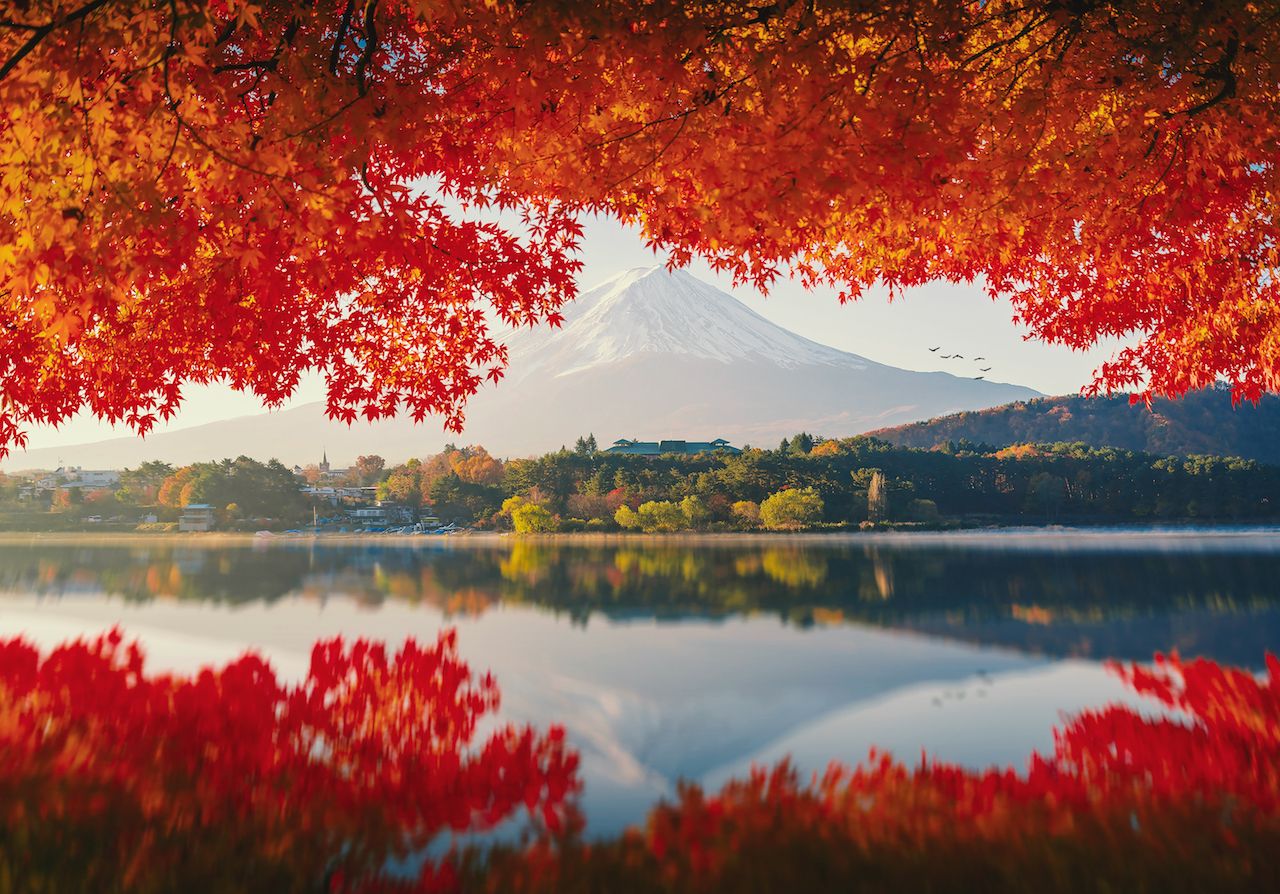
Mount Fuji in Japan emerges as a prime example. The iconic 3,776-meter volcanic peak draws hikers seeking solitude amidst pristine mountain landscapes. Autumn offers optimal conditions, with crisp air and dramatic sunrise views over Lake Kawaguchiko. Multiple trails accommodate varying fitness levels, though the trek demands physical preparation and multiple overnight stays in mountain huts.
Beyond Japan, global trends show travellers gravitating toward wilderness locations with minimal infrastructure. Patagonia in Chile and Argentina attracts trekkers to Torres del Paine and Mount Fitz Roy, where days stretch without cell service or power grids. Iceland's interior highlands offer similarly austere experiences, with geothermal hot springs and vast lava fields providing natural rewards for those willing to rough it.
Budget considerations vary dramatically. Mount Fuji climbs cost roughly $200-400 for guides and hut fees, while Patagonia trips run $1,500-3,000 for guided expeditions. Iceland's self-guided highland traverses demand fewer dollars but require careful preparation and weather monitoring.
Tour operators specializing in wilderness access have capitalized on this trend. Companies like Adventure Life and Exodus Adventures structure expeditions that balance genuine remoteness with safety protocols. Local guides prove essential, particularly on technical peaks or unmarked routes where weather changes pose real dangers.
The logistics matter intensely. Travellers must book seasonal windows carefully. Mount Fuji operates July through September primarily. Patagonia peaks November through March. Iceland's interior roads open June through September only. Weather windows narrow these timeframes further.
Accommodations range from luxury eco-lodges at journey endpoints to basic mountain refug