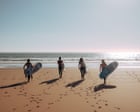
A travel journalist with a decades-long fear of the ocean is turning to a surfing retreat in Morocco to confront her phobia. The writer's anxiety likely stems from a traumatic incident in Biarritz nearly 20 years ago, when a powerful wave slammed her onto the seabed and scraped away skin from her chin. Yet deeper psychological factors, shaped by her career reporting on disasters and tragedy, compound the rational concerns about riptides, hidden rocks, sharks, and head injuries.
Morocco's Atlantic coast offers an ideal therapeutic setting for wave-therapy. The country hosts numerous surf camps and retreats catering to beginners, from laid-back spots in Taghazout to resort towns like Essaouira and Agadir. These destinations combine accessible beachbreaks with experienced instructors who specialize in helping anxious learners build confidence in the water.
The writer's decision reflects a broader travel trend: wellness retreats combining adventure sports with mental health benefits. Surf therapy programs operate globally, from Costa Rica to Portugal, but Morocco has emerged as a budget-friendly alternative. A week-long retreat typically costs between 400 to 700 pounds, including accommodation and instruction, substantially cheaper than comparable programs in Europe or the Caribbean.
Learning to surf demands full mental engagement. The repetitive process of paddling out, reading wave sets, timing takeoffs, and maintaining balance creates a meditative state that redirects anxious thoughts. Instructors at Moroccan camps report that beginners often experience breakthroughs within days as confidence builds through small victories.
The Atlantic swells around Morocco peak during autumn and winter, with consistent waves ideal for novices. Nearby amenities like the medina in Essaouira and Argan oil cooperatives in Taghazout provide downtime between sessions. Direct flights from London to Marrakech cost