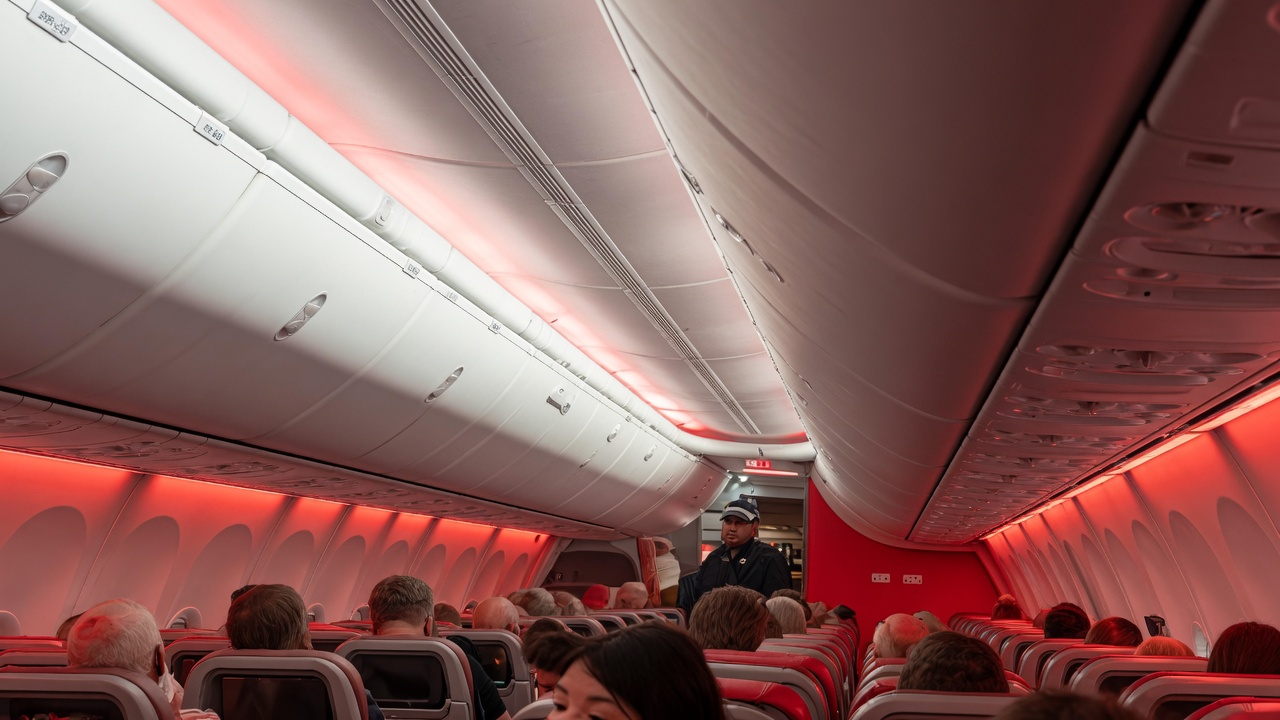
A Jet2 passenger died after being physically restrained by fellow travelers and cabin crew during an alleged alcohol-fueled incident aboard a flight from Cyprus to Manchester. The man allegedly head-butted another passenger before being subdued by multiple people onboard. Police have launched an investigation into the circumstances surrounding his death, with the exact cause remaining undetermined at this stage.
The incident highlights ongoing safety challenges airlines face when managing disruptive passengers at 35,000 feet. Jet2, which operates leisure routes across Europe from UK bases, has not released details about the flight number, date, or passenger count involved in the incident. Manchester Airport serves as a major hub for Jet2 operations, handling thousands of passengers daily on routes to popular destinations including Cyprus, Spain, and Portugal.
Airline staff training protocols typically emphasize de-escalation techniques before physical restraint becomes necessary. When situations escalate, cabin crew coordinate with able-bodied passengers to safely immobilize disruptive individuals using approved methods. However, medical complications can arise unexpectedly during restraint procedures, particularly for passengers with underlying health conditions.
This incident raises questions about passenger screening procedures and alcohol service policies onboard aircraft. Airlines implement duty-of-care obligations when serving alcohol inflight, yet enforcement varies. The circumstances of this death may prompt reviews of restraint protocols across European carriers operating similar routes.
For travelers booking flights with Jet2 or other European airlines, incidents like this remain statistically rare. Tens of millions of passengers fly annually without incident. However, the investigation's outcome could influence how airlines train crew members and respond to intoxicated or aggressive passengers during flights. Industry observers will likely monitor whether authorities recommend modifications to restraint procedures or revised alcohol service guidelines.
The case underscores the confined environment challenges airlines face when managing passenger behavior at altitude, where emergency medical services cannot immediately intervene and diversion decisions carry significant operational