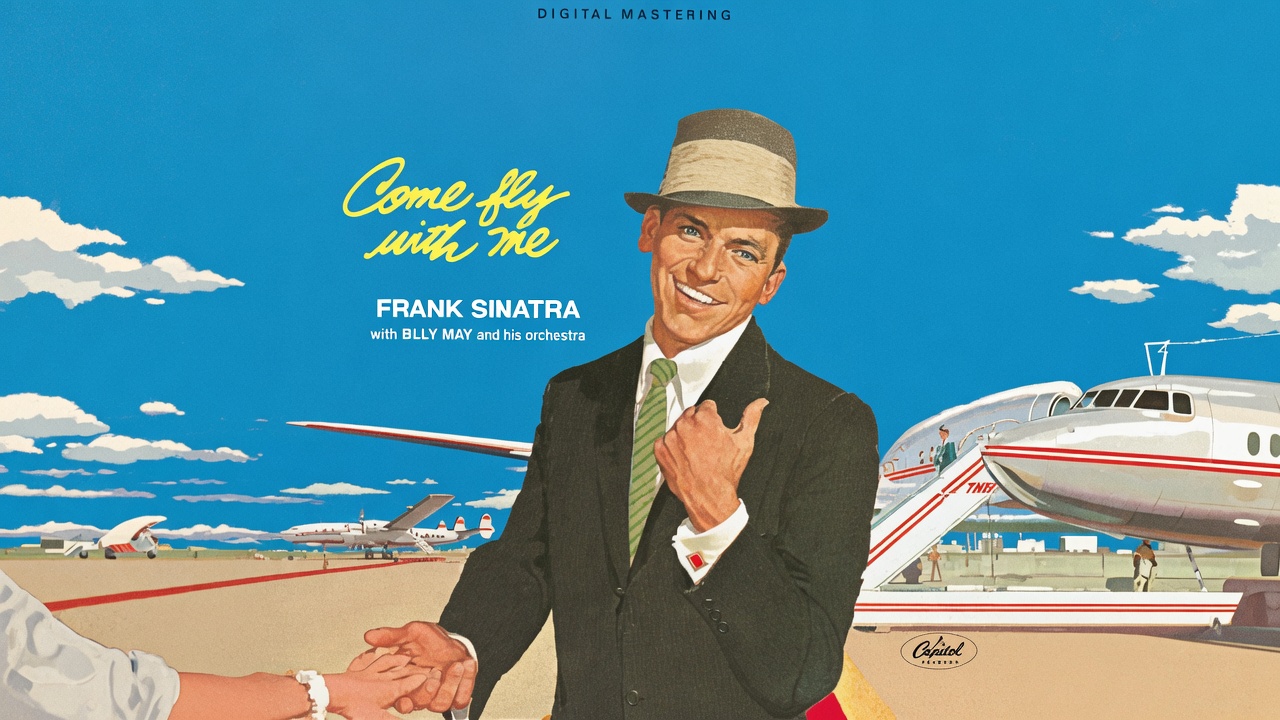
United Airlines has embraced one of classical music's most iconic compositions as its brand anthem, tapping George Gershwin's "Rhapsody in Blue" to underscore its travel messaging. The carrier joins a pantheon of artists who have captured the essence of movement and discovery through song, from Iggy Pop's "The Passenger" to Frank Sinatra's "Come Fly With Me."
Travel songs transcend simple playlist fodder. They articulate the profound emotions embedded in departure, arrival, disorientation, homesickness, and transformation. These compositions resonate because they tap into universal traveler experiences that transcend genre and era.
United's choice of "Rhapsody in Blue" proves savvy. Gershwin's 1924 masterpiece evokes the dynamism of American travel and adventure. Its sweeping tempo mirrors the arc of a journey, building from anticipation to climactic arrival. The composition's jazz-inflected energy captures the thrill of exploration without requiring lyrics, making it universally intelligible across markets.
Pop's "The Passenger" delivers a different travel philosophy. The track captures the detached observer experience, the window-gazer watching landscapes blur past. Sinatra's "Come Fly With Me" radiates mid-century optimism about jet travel, positioning flight as glamorous escape.
These songs matter to travel brands because they anchor abstract concepts. Airlines, hotels, and tour operators know that travelers don't just book transportation or beds. They purchase experiences, transformation, and emotional narratives. A well-chosen song activates those narratives instantly.
For travelers planning trips, these compositions offer psychological signposts. They remind us why we travel. The anxiety of departure, the disorientation of arrival, the yearning to return home, the altered perspective after seeing new places. These emotional touchstones appear across thirteen canonical travel songs, from