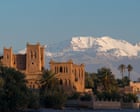
Skoura stands four hours south of Marrakech as Morocco's most restorative desert oasis, where travelers seeking escape find immediate sensory relief. The moment you enter the palm-shaded settlement irrigated by Atlas Mountain water, temperature drops sharply. Birdsong replaces highway noise. The harsh Saharan sun filters through dense vegetation, revealing damp earth and pooling water that sustained Silk Road merchants for centuries.
Unlike the tourist-saturated oases closer to Marrakech, Skoura remains virtually unchanged. The kasbah architecture, narrow irrigation channels, and daily rhythms persist largely untouched by modernization. Explorers crossing Morocco on camelback or on foot use Skoura specifically as a decompression zone after weeks navigating open desert. The town's authenticity stems from limited infrastructure. No major resort chains operate here. No golf courses interrupt the agricultural landscape. Instead, guesthouses occupy restored traditional homes where visitors experience genuine Moroccan hospitality rather than curated tourism experiences.
The oasis economy still depends on date palms, almonds, and vegetables watered through centuries-old khettara irrigation systems. Local families maintain gardens their ancestors planted generations ago. Wandering through narrow pathways between mud-brick homes, travelers encounter working farms rather than heritage museums.
For budget-conscious visitors, Skoura offers remarkable value. Guesthouse rooms cost $30-50 nightly. Local guides lead walking tours through palm groves and kasbahs for modest fees. Meals prepared by host families feature fresh produce grown in surrounding fields.
The four-hour drive from Marrakech follows the N8 toward Ouarzazate, passing through the Kasbah Ait Benhaddou UNESCO site along the way. Most visitors combine Skoura with nearby Dades Valley t