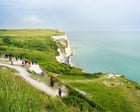
A traveller walking the Via Francigena from Canterbury Cathedral to the white cliffs of Dover discovered one of England's most rewarding pilgrimage routes. The journey combines spiritual reflection with coastal drama, threading through Kent's landscape during summer heat.
Canterbury Cathedral sets the tone. Evening services, or Evensong, fill the quire with choristers singing in white and purple vestments while golden light filters across ancient stone. The cathedral city itself, with its medieval streets and historic architecture, deserves exploration before setting out on foot.
The Via Francigena, part of a centuries-old pilgrimage network stretching to Rome, traces a path from the cathedral eastward toward Dover. This section of the trail captures the essence of walking holidays gaining traction across Britain and Europe. Long-distance footpaths like this appeal to travellers seeking slower travel, cultural immersion, and exercise combined.
Summer heatwaves present real challenges on multi-day walks. Proper hydration, early starts, and careful route planning become essential. The trail passes through villages and countryside before reaching the white cliffs, England's iconic coastal landmarks that mark the final destination.
Walking pilgrimages have resurged among travellers seeking purpose beyond typical tourism. The Via Francigena offers structure, history, and physical challenge. Accommodation options range from simple guesthouses to farm stays throughout Kent. Many walkers spend three to five days completing this particular stretch, though pace varies.
The route appeals to independent travellers and those joining guided groups. Local tourism boards in Canterbury and Dover provide detailed maps and lodging information. Walking shoes, sun protection, and lightweight packs matter more than expensive gear.
This pilgrimage captures why walking holidays attract growing numbers of British and international visitors. The journey from cathedral to white cliffs represents tangible progress, spiritual pause, and connection to landscape that bus tours cannot replicate. Canterbury's