# Bentonville to the Buffalo River: How Northwest Arkansas Became a Destination
Northwest Arkansas has transformed from a quiet regional hub into a legitimate travel draw, anchored by the outdoor recreation of the Buffalo River, the contemporary art scene in Bentonville, and a booming culinary landscape. The region now competes with more established leisure destinations across the American South.
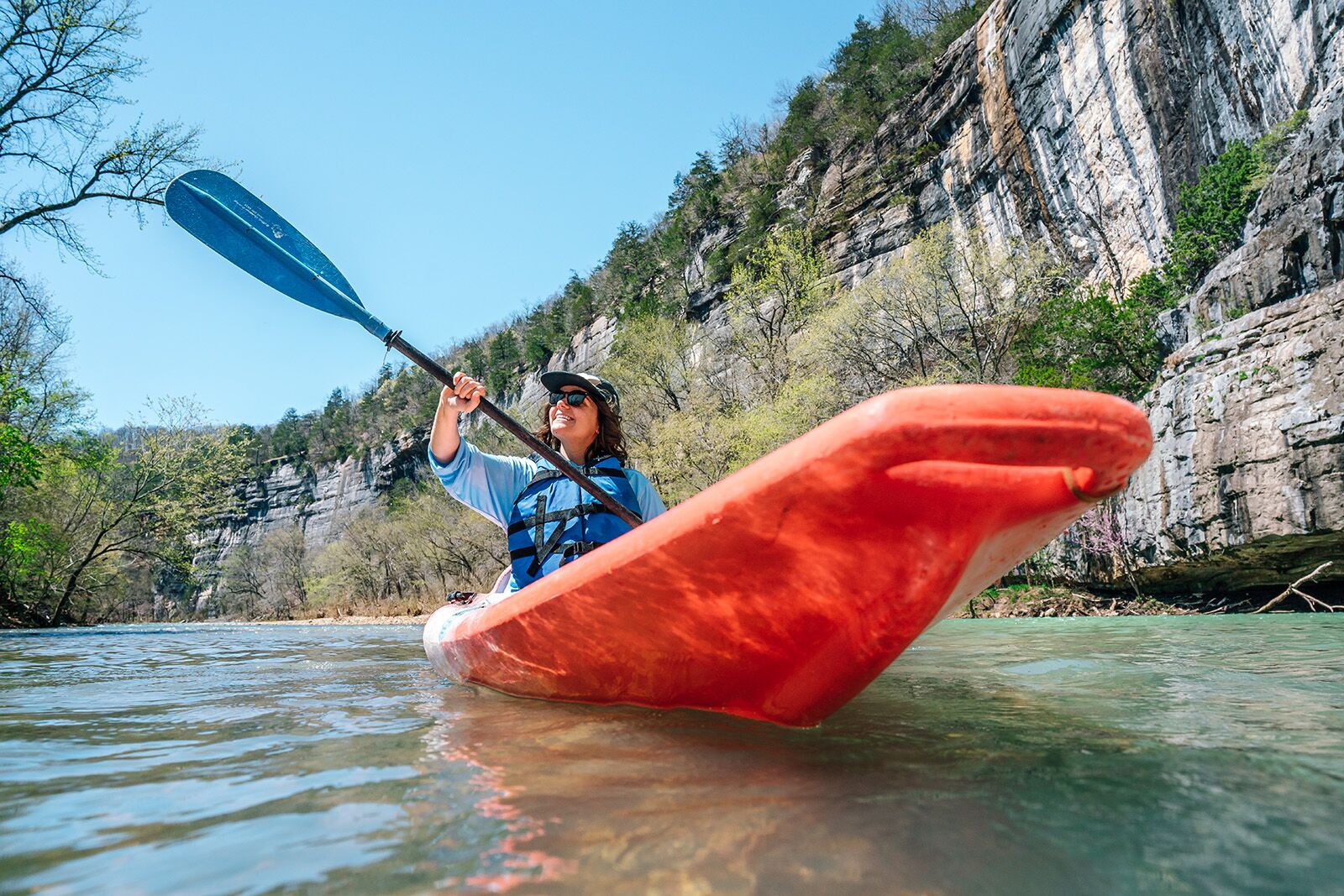
The Buffalo River, a 135-mile waterway cutting through the Ozark Mountains, serves as the primary draw. Visitors float the crystalline waters, hike surrounding bluffs, and camp along the banks. Lost Valley Trail, a popular four-mile loop, attracts thousands annually. The river remains free to access and float, making it budget-friendly compared to mountain destinations in Colorado or Utah.
Bentonville itself has reinvented itself beyond its Walmart headquarters identity. Crystal Bridges Museum of American Art, a free admission facility opened in 2011, anchors the downtown cultural revival. The museum's 9,650 square feet of gallery space displays works from colonial America through contemporary pieces. The surrounding Crystal Bridges trails network offers over 40 miles of mountain biking and hiking paths, many designed by world-class trail architects.
The food scene reflects both Southern traditions and modern culinary ambition. Restaurants like Pressroom and The Hive draw food-focused travelers. Local breweries including Onyx Coffee Lab and multiple craft operations fuel the nightlife economy. Farm-to-table concepts leverage the region's agricultural heritage.
Hotels have followed demand. The Momentary, a Crystal Bridges satellite space, opened in 2020. Visitor accommodations range from budget chains to boutique lodges like Lake Fayetteville properties. Airbnb rentals dot the region, offering rural Ozark experiences.
Infrastructure improvements have enabled growth. Improved highway connections from Dallas,