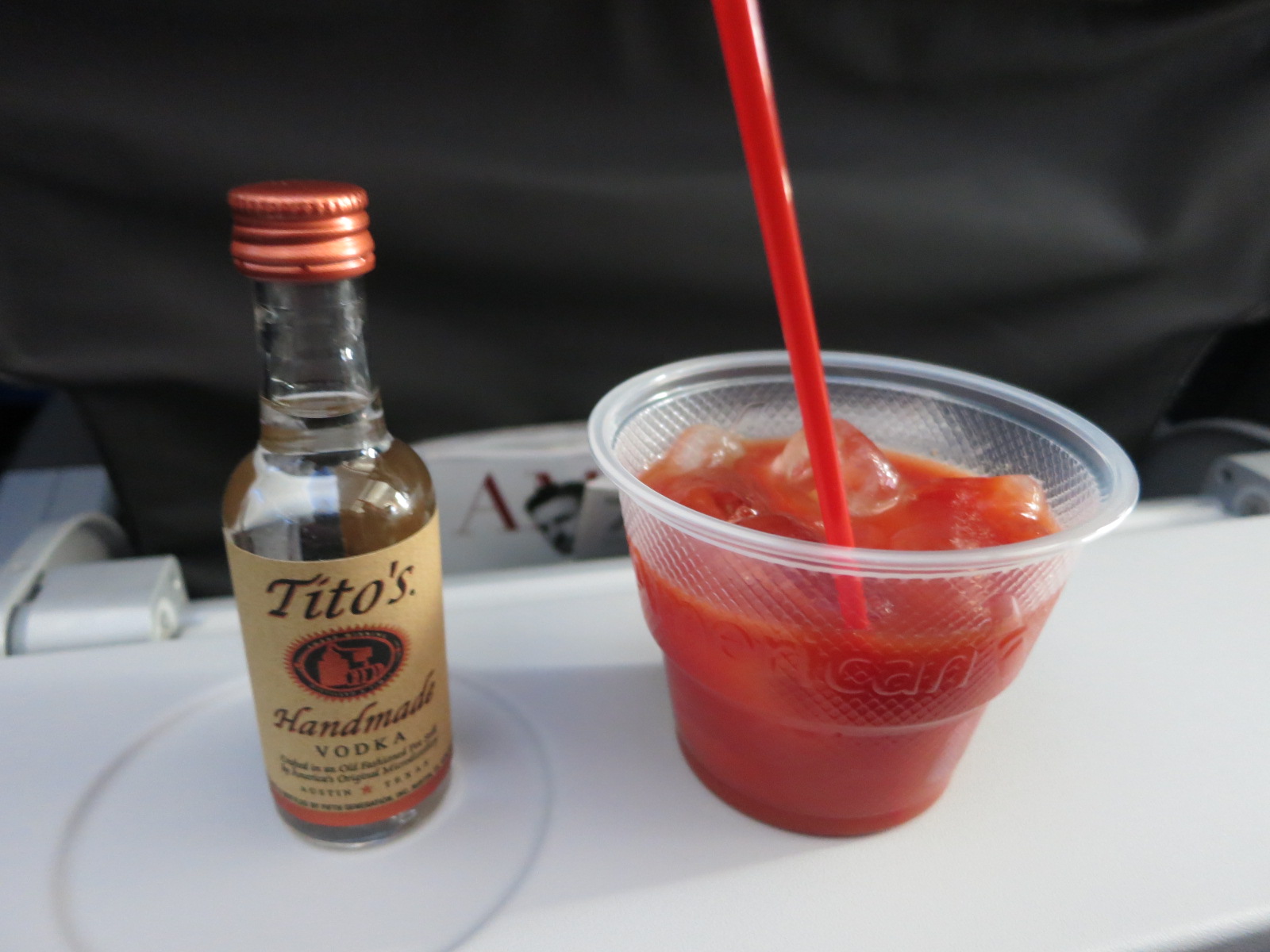
United Airlines updated its alcohol policy to allow flight attendants a specific exception to its strict no-drinking-on-duty rule. The carrier now permits cabin crew members to consume alcohol while deadheading as passengers, provided they meet three conditions: they must be out of uniform, traveling on company business, and have no scheduled flights to work that day.
This narrow allowance reflects a practical adjustment in crew scheduling realities. Flight attendants frequently deadhead between cities as passengers to position themselves for upcoming assignments. United's revised policy acknowledges the difference between working crew members in uniform performing safety-critical duties and off-duty staff traveling between stations. The airline drew explicit boundaries to prevent confusion or misuse.
The policy remains stringent overall. Flight attendants cannot drink while in uniform, within 24 hours before reporting for duty, or if they have any work obligations that day. These restrictions align with federal aviation regulations and safety protocols across the industry. Airlines treat alcohol consumption among crew members seriously because cabin staff hold responsibility for passenger safety during emergencies and critical situations.
Other carriers maintain similar policies with comparable exceptions. The industry standard reflects lessons learned from decades of aviation safety standards. Most airlines prohibit alcohol for crew members within 12 to 24 hours of duty and during any on-duty period, regardless of whether they're actively working that specific flight.
United's clarification addresses a gray area that crew scheduling managers and flight attendants themselves previously navigated with uncertainty. By explicitly defining when deadheading crew can drink, the airline reduces ambiguity and reinforces its commitment to safety standards.
For travelers planning trips on United, this policy change has no direct impact on passenger experience or safety protocols. The rule applies exclusively to crew conduct during non-working travel. Passengers can expect the same safety standards and professionalism they received before the policy update.