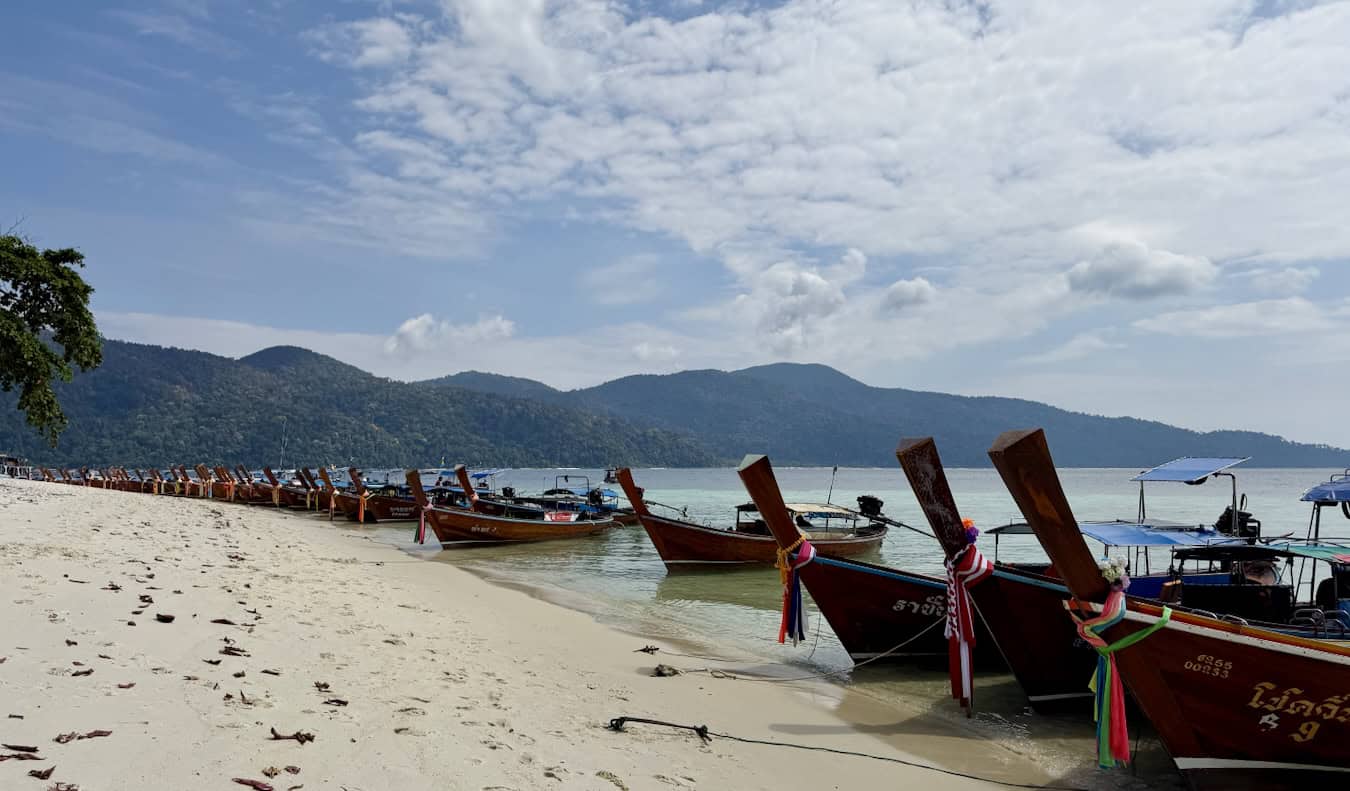
Ko Lipe, Thailand has transformed dramatically from the remote island paradise it was two decades ago. When travel blogger Matt Kepnes visited in 2006, the destination offered rustic charm with electricity running only a few hours daily and beachfront bungalows catering to adventurous travelers seeking genuine isolation.
Nineteen years later, Kepnes returned to discover a radically different landscape. The island now caters to mass tourism, with development sprawling across what was once pristine coastline. Infrastructure improvements that might sound positive on paper have stripped away the authentic character that made Ko Lipe special for early explorers.
This transformation reflects a broader trend affecting Southeast Asian beach destinations. Islands like Bali, Phi Phi, and Phuket experienced similar trajectories from undiscovered gems to overcrowded tourist hubs. Ko Lipe's journey mirrors this pattern exactly. Infrastructure expansion brings more flights, faster boat service from the mainland, and increased hotel capacity. Simultaneously, the environmental cost accumulates. Coral reefs suffer from anchoring and pollution. Local culture becomes commercialized. Prices climb sharply.
Travelers planning Southeast Asia trips now face a critical decision. The quest for unspoiled beaches increasingly requires venturing to truly remote locations. Ko Lipe's cautionary tale suggests that destinations gaining recognition quickly lose their appeal just as rapidly. What took decades in Bali happened faster in Ko Lipe because word spreads instantly through social media and travel blogs.
For budget travelers seeking authentic Thailand, alternatives exist in less-developed islands within the Andaman region or the Gulf of Thailand. Guesthouses and local operators in emerging destinations still offer the experience Ko Lipe provided in 2006, though sustainability questions linger there too.
Kepnes's revisit serves as a reminder that off-the-beaten-path destinations have finite windows.