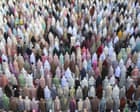
Millions of Muslims across Southeast Asia celebrated Eid al-Adha, the Islamic Festival of Sacrifice, in sprawling public gatherings that transformed mosques, train stations, roadsides, and seaside locations into prayer grounds. The second major holiday in Islam drew approximately 2 billion worshippers worldwide offering devotion and unity.
Indonesia, the Philippines, and Malaysia hosted particularly large celebrations, with Muslim communities gathering in dense urban centers and remote areas alike. The festivities reflect the deep religious significance of Eid al-Adha, which commemorates Prophet Abraham's willingness to sacrifice his son in obedience to God. During this period, families exchange greetings, share meals, and perform ritual animal sacrifices.
For travelers planning trips to Southeast Asia during this holiday, understanding local customs proves essential. Eid al-Adha dates shift annually following the Islamic lunar calendar, falling in mid-June in 2026. Visitors should expect modified operating hours at shops and restaurants, particularly in Muslim-majority areas of Indonesia and Malaysia. Public transportation networks experience surges in usage as residents travel to hometowns for family celebrations.
Hotel availability tightens during peak Eid periods, especially in Jakarta, Kuala Lumpur, and Manila. Airlines including Garuda Indonesia, Malaysia Airlines, and Philippine Airlines report increased bookings as diaspora communities return home. Travelers heading to Indonesia's major tourist hubs like Bali and Lombok may find fewer crowds during Eid, as many locals prioritize family time over tourism work.
The celebrations showcase the religious fabric woven through daily life in these nations. Mosques overflow with worshippers performing communal prayers at dawn. Street vendors sell special Eid clothing and festive items. Markets bustle with activity as families prepare meals featuring lamb, beef, or goat.
For budget-conscious travelers,