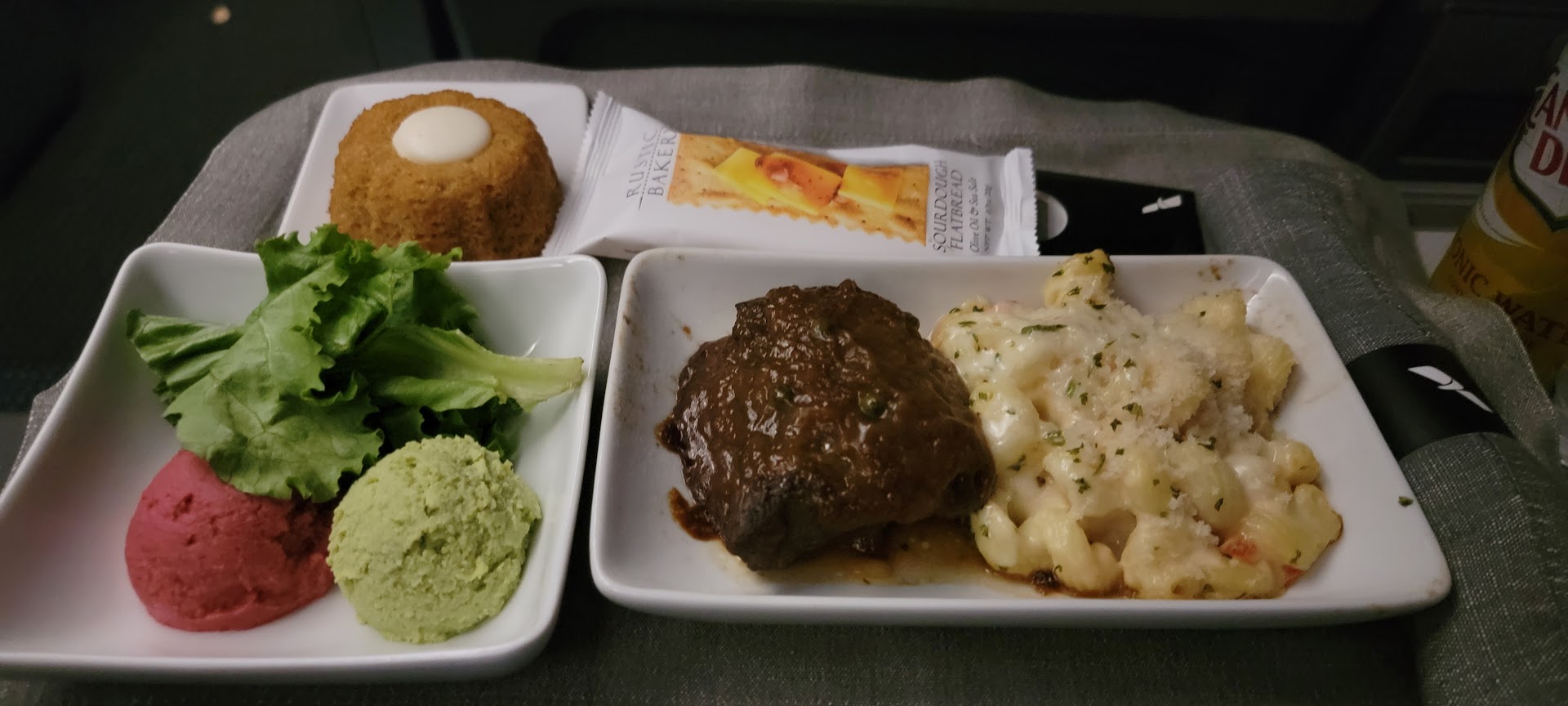
An American Airlines passenger sparked a cabin dispute when flight attendants refused to let him bring his wife's uneaten business class dessert and bread back to his coach seat. The man's wife had upgraded to business class but couldn't finish her meal. When he requested to take the leftover items to coach, crew members confiscated the food instead of allowing him to keep it.
The incident highlights the strict policies many airlines enforce regarding food movement between cabin classes. American Airlines, like most carriers, maintains clear boundaries separating premium and economy service experiences. Flight attendants typically prevent passengers from transferring business class items to coach to preserve the perceived value of premium seating and prevent passenger frustration over service disparities.
The passenger's frustration underscores growing tensions around cabin service standards as airlines tighten premium amenities. Business class passengers on American Airlines receive full meal service with quality plating, fresh-baked items, and desserts not available in coach. When premium passengers cannot consume everything, the airline faces a choice: waste the food or enforce policies that prevent cabin-mixing.
Airlines generally lean toward enforcement. Beyond perceived fairness concerns, food handling regulations and liability issues play roles. Once a meal item leaves the premium galley, tracking its origin and ensuring food safety becomes complicated. Flight attendants follow company protocol rather than make individual judgment calls.
This encounter reflects broader airline industry frustrations. Passengers increasingly resent the visible service gaps between cabins. Social media posts about cabin inequality drive negative publicity. Yet airlines maintain these policies partly because cabin segregation justifies premium pricing. If business class perks routinely transfer to coach, the upgrade value diminishes.
For budget-conscious travelers, the incident offers perspective. Purchasing business class upgrades on American Airlines secures genuine advantages: better meals, more comfortable seating, and priority service. But airlines monitor these benefits closely. The confiscated dessert likely wound up in a