Rain dominates Mumbai on day five of a traveler's India journey. Torrential downpours have persisted since arrival, yet the city's drainage systems manage the deluge better than expected. Despite predictions of severe flooding and wading through ankle-deep water, Mumbai's streets remain navigable.
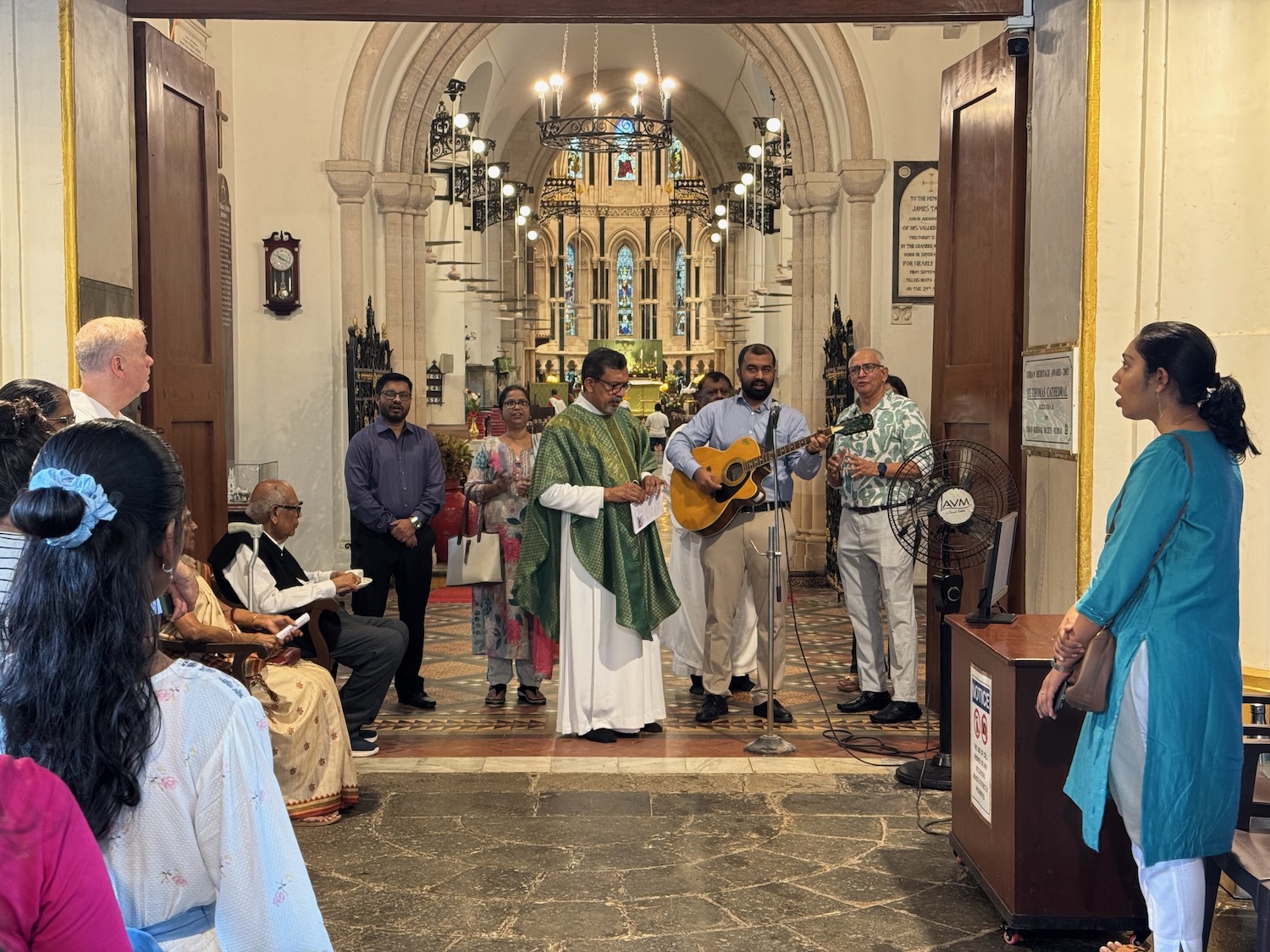
The traveler planned exploration around religious and cultural landmarks, including visits to local churches and coffee shops that reflect the city's diverse character. These stops offer glimpses into Mumbai's spiritual and culinary traditions, popular draws for visitors seeking authentic experiences beyond tourist circuits.
Weather challenges present real obstacles for travelers visiting Mumbai during monsoon season, which runs June through September. Rainfall intensity peaks during July and August, when daily precipitation regularly exceeds five inches. Hotels near the Gateway of India and in Bandra handle monsoon traffic well, though some neighborhoods experience temporary waterlogging.
Coffee culture thrives in Mumbai despite the wet conditions. Cafes in neighborhoods like Fort and Colaba attract both locals and tourists seeking refuge from rain. These establishments range from high-end specialty coffee roasters to casual street vendors serving chai and filter coffee.
For travelers planning Mumbai visits, monsoon season offers distinct advantages and drawbacks. Hotel rates drop 20 to 30 percent during heavy rains compared to peak season. Flights occasionally face delays, and outdoor sightseeing requires flexibility. Indoor attractions including museums, galleries, and historic temples become more appealing.
The unpredictability of monsoons shapes day-to-day travel plans. Morning itineraries shift suddenly as rain intensity fluctuates. Waterproof bags and sturdy footwear become essential gear. Travelers should build buffer days into schedules and embrace spontaneity.
Mumbai's resilience during extreme weather reflects the city's character. Infrastructure improvements over recent years have reduced flooding severity in many areas. Communities adapt quickly to changing conditions, and tourism continues despite